Best time to visit Watamu Marine Park

The best time to visit Watamu Marine Park is the month that matches the activity you came for. We score each month out of 100 from four signals: humpback whales (35), whale sharks (25), resident dolphins (20) and snorkeling visibility (20). Open a month for the wildlife matrix, sea state, and which boat trip fits that window.

Best Time to Visit Watamu Marine by Month

Click any month to open its marine guide. Each page covers wildlife probabilities, visibility, packing notes, and a booking path matched to that score.

The best month to visit Watamu Marine Park is February

The best month to visit Watamu Marine Park is February. It scores 65 on our Experience Index, the highest of the twelve months. Whale sharks, resident dolphins and snorkeling visibility line up in the same window. Water stays warm. Clarity often sits around 20 metres. There are no humpback whales in February. If you want one month that covers the most of what people come to this park for, book February.

Many guests treat “best month” as a single peak for every activity. It is not. February wins the combined score. Other months win at one job. Open the February guide if that mix is what you came for.

Best time to visit Watamu for whales, snorkeling and wind

Best time to visit Watamu for humpback whales is July, August or September. Humpback whales from Breeding Stock C3 calve on the inner reefs during Kusi. Visibility often falls below 8 metres. Book a whale watch. Do not treat an offshore snorkel as the main activity in those months. August is a typical whale month on this coast.

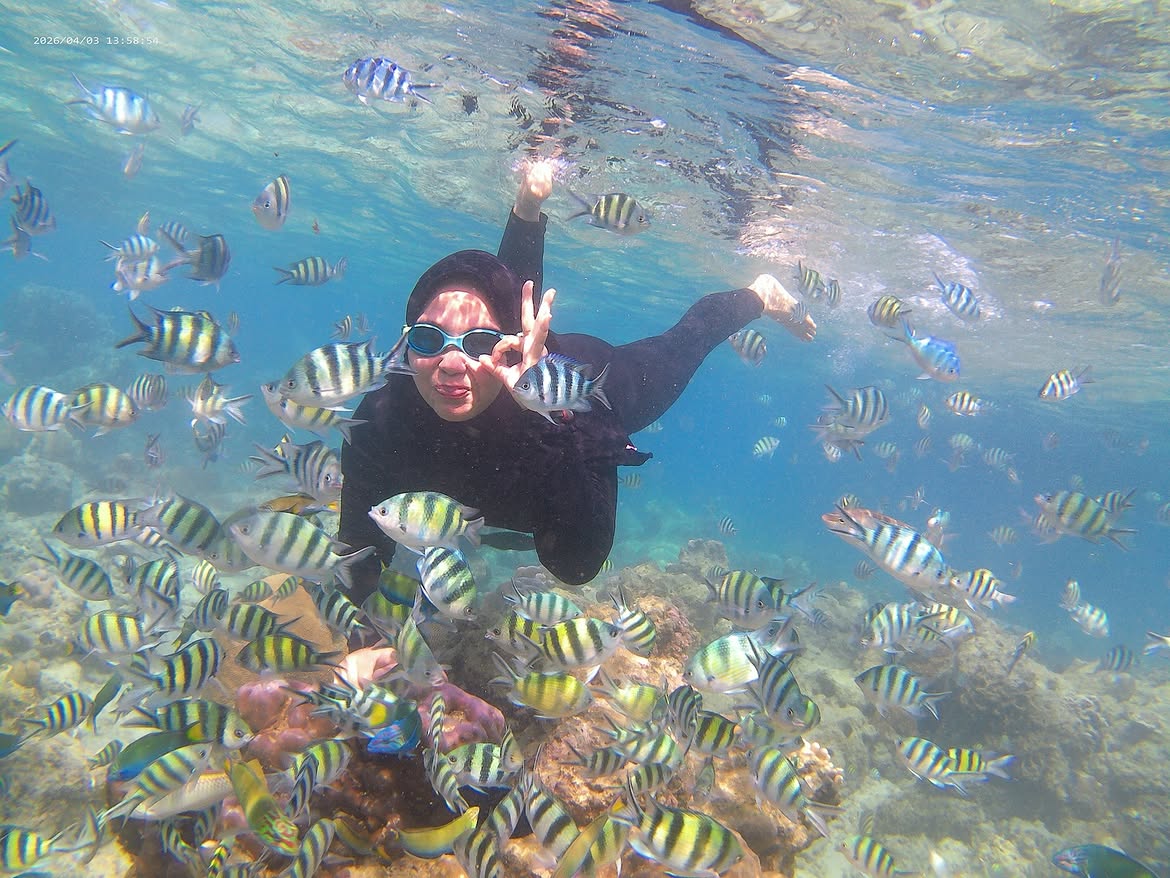
Best time to visit Watamu for snorkeling is November to March. Kaskazi calms the sea. Water often clears past 20 metres. February and March also bring whale sharks near the surface.

Best time to visit Watamu for whale sharks is February and March.

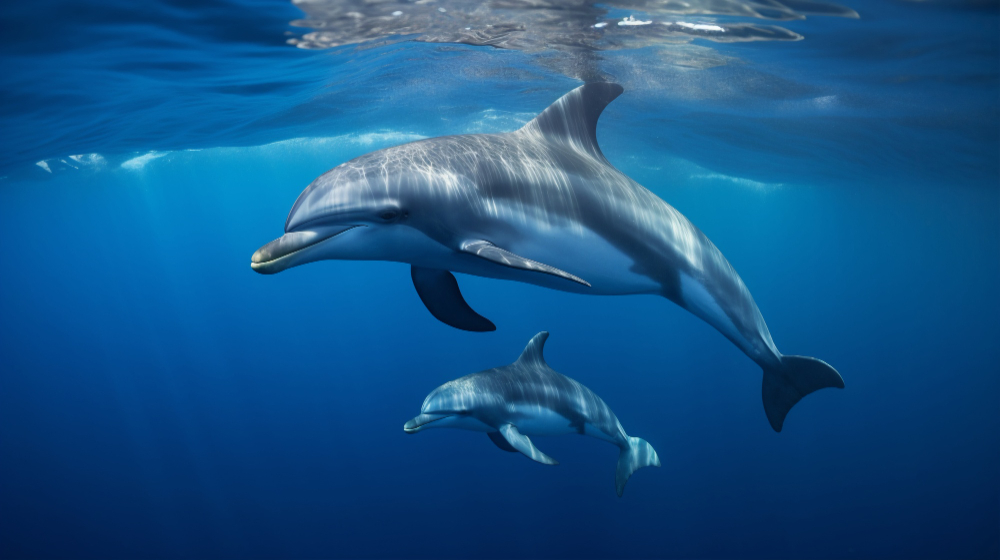
Best time to visit Watamu for dolphins is any month. Bottlenose pods live on the Watamu Banks year round. Calm Kaskazi days make them easier to find. Rough Kusi days make them harder to spot. They do not leave.

Best time to visit Watamu for kites and billfish is May to September, when Kusi wind is in. April and May sit at the bottom of the table. The long rains and the start of Kusi cut visibility before the whales arrive. Use those months for creek time, not for a first marine park day.
Overview of Watamu Marine Park by Month

Year at a glance

The same Experience Index, plotted across twelve months. The highest bar this year is February (65). Bar height is relative to that peak.

Figure 1. Watamu Marine Park Experience Index by calendar month. Click a bar to open that month.

How we score each month

Our team gives each month an Experience Index out of 100. This score includes four activities with fixed weights. We multiply each weight by a probability from 0.0 (not in season) to 1.0 (peak). Then we add the four results. For whales we use the higher of breaching chance and calving chance.

  • Humpback whales, 35 points. Peak July to September. Breeding Stock C3 migrates from Antarctic feeding grounds.
  • Whale sharks, 25 points. Peak February to March. Kaskazi plankton gathers near the surface.
  • Resident dolphins, 20 points. Present all year. Resident pods stay on the Watamu Banks. Rough water lowers the sighting rate.
  • Snorkeling visibility, 20 points. Peak November to March. Kaskazi flattens the water column.

Worked examples

August is a whale month. The sum is (35 × 1.0) + (25 × 0.0) + (20 × 0.8) + (20 × 0.3) = 57. Kusi wind drops snorkeling visibility to about 5 metres. Book a humpback watch. Do not book an offshore snorkel as the main activity.

January has no whales. The sum is (35 × 0.0) + (25 × 0.3) + (20 × 1.0) + (20 × 1.0) = 47.5. Water is about 25 metres clear. Dolphins are easy to find. Whale sharks are only starting to arrive.

February scores 65, the highest of the twelve months. Whale sharks, dolphins and visibility line up in the same window. April and May sit at the bottom of the table. The long rains and the start of Kusi cut visibility before the whales arrive.

How to pick your dates

Need whale watching? Use July, August or September. Need clear water for snorkeling or diving? Use November to March. February is the month where those three scores line up together. Need wind for kites or billfish? Stay in Kusi, from May to September. Need a calm afternoon when the open ocean is messy? Mida Creek sits behind the mangroves, so dhow routes still run.

The index is a planning score. It is not a promise that you will see an animal on a given Tuesday. Captains check the sea on the morning you go. Kenya Wildlife Service park tickets are separate from the boat fee.

Ready to lock a date? Open any month in the table. You get the wildlife matrix, packing notes and a booking path for that window. You can also book a licensed boat online once the month is set.

Best time to visit Watamu Marine Park by month, with Experience Index, monsoon system, water temperature and visibility
Month Index Monsoon Water Visibility Lead activity
January 47.5 Kaskazi (NE) 28.5°C 25 m Resident dolphins
February 65 Kaskazi (NE) 29°C 28 m Whale sharks
March 58 Kaskazi (NE) 29°C 22 m Resident dolphins
April 29 Transition (long rains) 28.5°C 12 m Resident dolphins
May 21.5 Kusi (SE) 27°C 8 m Resident dolphins
June 30 Kusi (SE) 25.5°C 6 m Humpback whales
July 51.5 Kusi (SE) 25°C 5 m Humpback whales
August 57 Kusi (SE) 24.5°C 5 m Humpback whales
September 56.5 Kusi (SE) 25.5°C 8 m Humpback whales
October 44 Transition 26.5°C 14 m Resident dolphins
November 41.3 Kaskazi (NE) 27.5°C 20 m Resident dolphins
December 44 Kaskazi (NE) 28°C 23 m Resident dolphins

Table 1. Best time to visit Watamu Marine Park by month. Scores are planning figures from monsoon conditions and published East African wildlife seasons.

Once you know the month, book the boat

We work with private KWS-licensed captains on fixed package pricing. Pick the month first so you are not sold a snorkel trip in whale-season soup, or a whale watch in January.

Book on WhatsApp