Best activities to do in February in Watamu

The best thing to do in Watamu Marine Park in February is whale shark watching. Kaskazi keeps the sea calm and gathers plankton near the surface. Visibility often sits around 28 metres. Resident dolphins stay on the Watamu Banks. There are no humpback whales in February. February scores 65 on the Experience Index.

Why visit Watamu this month?

February in Watamu Marine Park

February scores 65 out of 100 on our Experience Index. That is our internal scoring system for the best month to visit Watamu. Four signals make the total: humpback whales, whale sharks, resident dolphins and snorkeling visibility. February is a peak marine window.

Each bar is that activity’s weight multiplied by this month’s probability. The four results add up to the index.

Humpback whales 0 pts
Weight 35 × 0.0
Whale sharks 25 pts
Weight 25 × 1.0
Resident dolphins 20 pts
Weight 20 × 1.0
Snorkeling visibility 20 pts
Weight 20 × 1.0

Wildlife in February in Watamu

The figures below describe a typical week on the water in February, not a promise for your Tuesday. Captains still confirm what the sea did that morning before you leave the beach.

Wildlife chances in February in Watamu Marine Park
Wildlife Chance What that means in February
Humpback whales (breaching) 0% No humpbacks on the Kenyan coast in February.
Humpback whales (mothers & calves) 0% Calves are with the Antarctic population, not in Watamu.
Bottlenose dolphins 100% Resident pods are easy to approach in flat water. Keep distance; they live here every month.
Whale sharks 100% Peak month. Surface plankton draws filter feeders close to shore. Swim-offs are possible when a fish is found, never promised.
Manta rays 90% Cleaning stations and plankton edges are productive. Often seen on the same warm-water days as whale sharks.
Green sea turtles (nesting / hatching) 80% Nesting is still strong; hatching continues on protected beaches under conservation rules.
Mida Creek migratory birds 90% Mida Creek still holds large numbers of Palearctic waders before northbound passage starts.

Snorkeling and diving in February

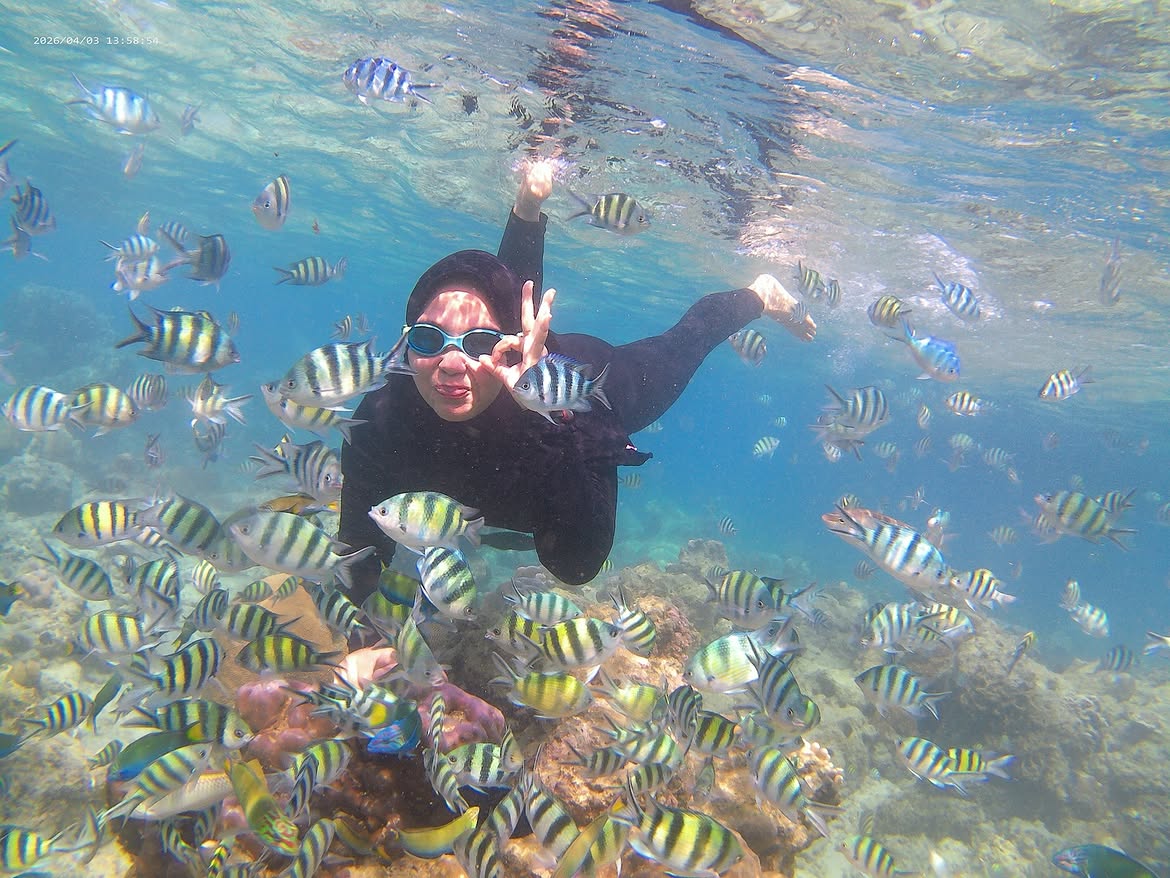
Optimal reef snorkeling and diving conditions. Kaskazi typically flattens the surface and lifts water clarity toward 28 metres — pool-like visibility on settled mornings. This is the window for snorkeling the outer coral gardens and, when certified and conditions allow, diving sites such as Vuma Caves. Morning low-tide slots still give the sharpest views.

Often the clearest month of the year. Twenty-five to thirty metres is a realistic morning figure inside the marine park when the wind stays down.

Ocean conditions in February

February is high Kaskazi: 29°C surface water, almost no swell, and plankton blooms sitting in the top of the water column. That combination is why whale sharks — filter feeders — move inshore along the Watamu–Malindi belt. Visibility stays excellent because the water is not being stirred from below. Humpbacks remain in the Southern Ocean.

February water and weather snapshot for Watamu
Measure This month
Monsoon Kaskazi (NE)
Water temperature 29°C
Typical visibility 28 m
Sea surface Calm / Glassy

Which Watamu boat trips fit February

Wind, visibility and wildlife this month decide which trips make sense. The table maps the packages people actually book in Watamu onto those conditions.

Boat trip fit for February in Watamu
Trip Fit this month Why
Humpback whale safari Not in season Humpbacks have not arrived yet, or they have already left for Antarctic feeding grounds.
Whale shark watch Peak reports Plankton blooms pull whale sharks toward the surface. Captains track recent sightings before you leave the beach.
Glass-bottom coral gardens Optional extra Clear water favors snorkeling; glass-bottom boats remain useful for children and non-swimmers.
Deep sea fishing Moderate Calmer Kaskazi water is pleasant on a boat, but pelagic action is usually quieter than in the Kusi months.
Kitesurfing (Garoda) Light / inconsistent Kaskazi is warmer and flatter — better for swimming than for powered kites.
Mida Creek dhow cruise Recommended A creek dhow cruise is a calm contrast to the marine park, with birdlife on the mudflats at low tide.

What to pack for a February marine day

February packing is about the sea state above, not a generic beach list. Take what the month actually asks for.

  • Rash guard and reef-safe sunscreen; you will burn on still water
  • An extra litre of drinking water on the boat
  • A dry bag for phones — spray is rare, but transfers are wet
  • Binoculars if you want whale-shark blows and bird flocks at Mida

Local captain’s note for February

Whale shark days are built from that morning’s local reports, not from a brochure. Ask the captain what was seen in the last 48 hours before you pay a premium for a “guaranteed” encounter. Nothing is guaranteed; a honest skipper will say so.

Book a boat in February

Choose half day or full day. Both links open the booking form with that trip already selected.

FAQs on Visiting Watamu in February

Is February a good time to visit Watamu?

February scores 65 out of 100 on the Watamu Marine Activity Index. That score weights humpback whales, whale sharks, resident dolphins and snorkeling visibility — so a “good” month depends on what you came for. Peak marine window.

Can you see humpback whales in Watamu in February?

No. Humpbacks are not part of the February pattern in Watamu. They are a mid-year Kusi story, not a Kaskazi one.

Is snorkeling good in Watamu in February?

Typical visibility is about 28 metres. Kaskazi typically flattens the surface and lifts water clarity toward 28 metres — pool-like visibility on settled mornings. This is the window for snorkeling the outer coral gardens and, when certified and conditions allow, diving sites such as Vuma Caves. Morning low-tide slots still give the sharpest views.

Book on WhatsApp