
Snorkelling
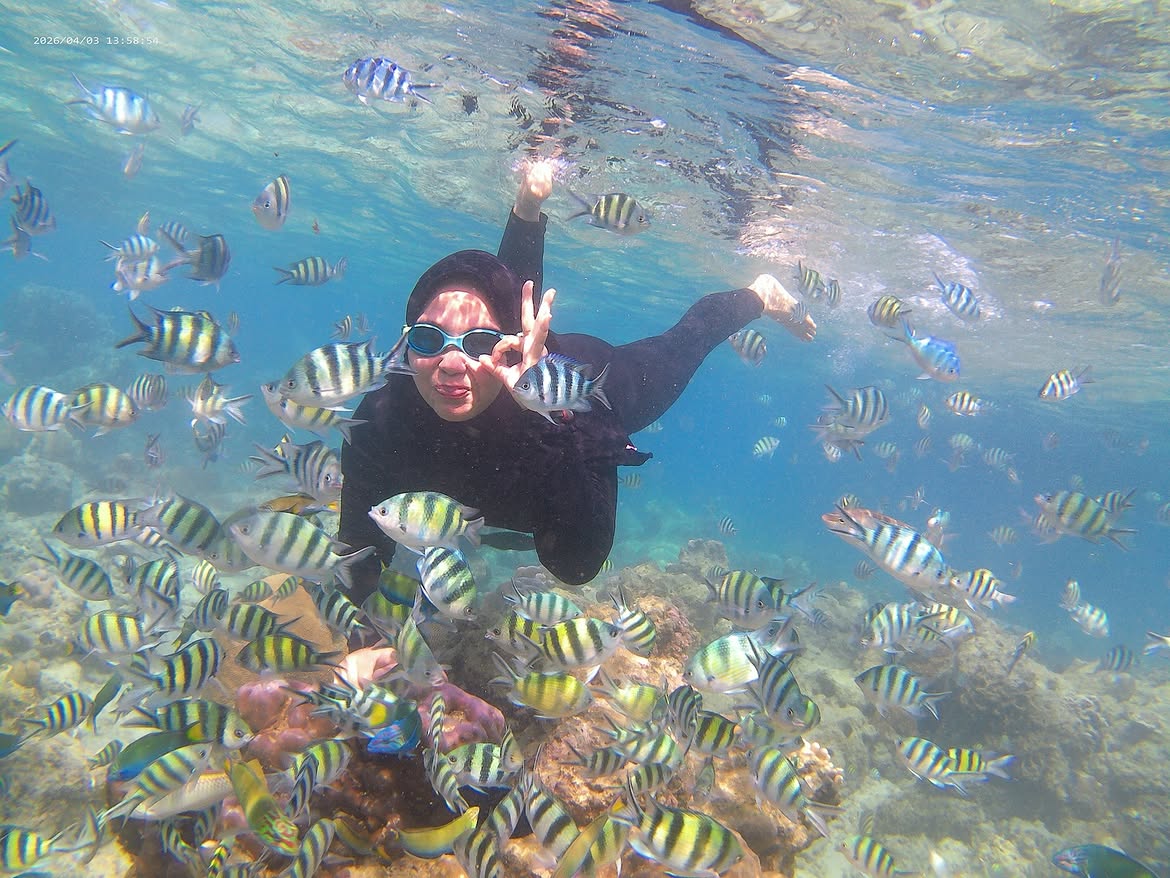
Shallow coral gardens begin roughly 300 metres offshore. Masks, snorkels and fins are widely available for on-site rental; guided trips improve safety in channels.
Home / Watamu Marine National Park
Watamu Marine National Park is a marine protected area on Kenya’s Indian Ocean coast in Kilifi County. Managed by the Kenya Wildlife Service (KWS), the park covers about 10 square kilometres of fringing reef, coral gardens, seagrass beds and mangrove-linked habitats beside Watamu town. It was gazetted in 1968 and sits within a UNESCO Man and the Biosphere (MAB) Reserve designation dating to 1979.
This page gathers geography, conservation status, ecosystems, named wildlife, seasonal weather, visitor logistics, nearby hospitality and community organisations into one reference for travellers researching Watamu Marine Park, Watamu National Park Kenya, or marine park Watamu searches.
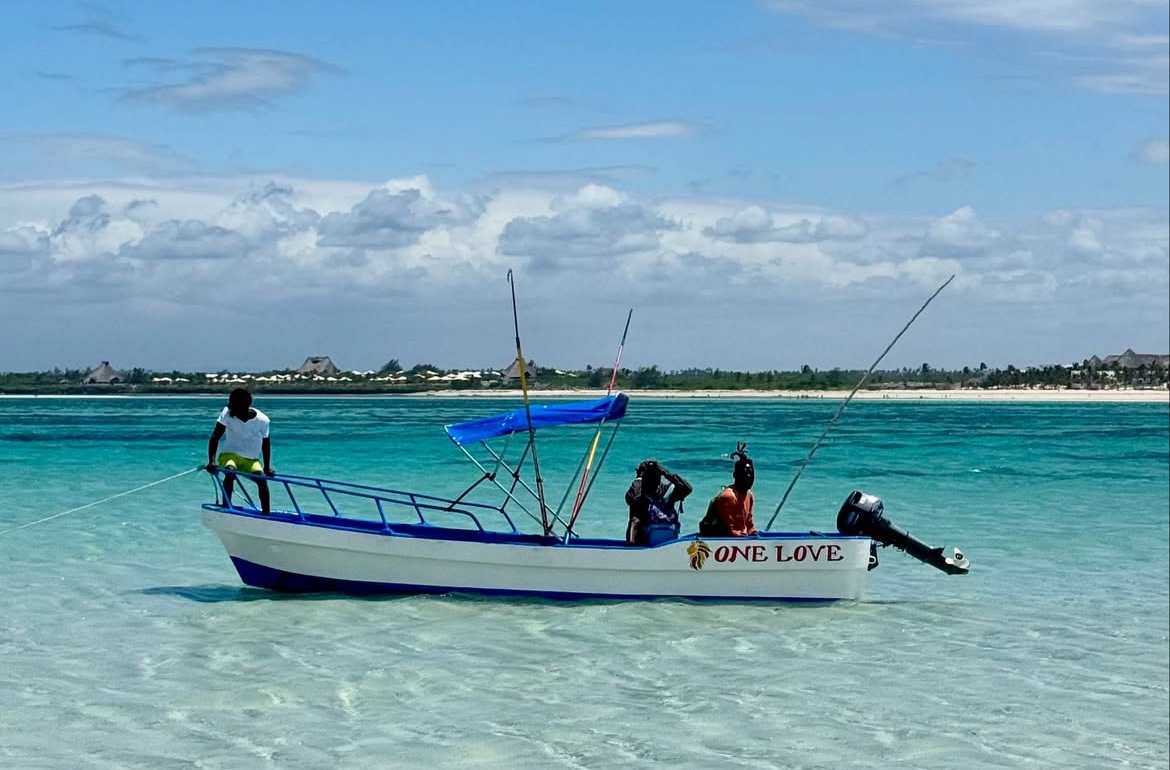
Core spatial and administrative attributes used when describing Watamu Marine National Park in travel and conservation references.
Watamu Marine National Park lies on Kenya’s north coast within Kilifi County, facing the western Indian Ocean. The protected waters sit beside the coastal settlement of Watamu and form part of a wider Malindi–Watamu marine conservation landscape. Relative to major coastal cities, the park is approximately 28 kilometres south of Malindi and about 120 kilometres north of Mombasa.
The official surface area is commonly stated as about 10 square kilometres. That compact footprint concentrates several shallow marine habitats close to public beaches. Coral gardens used for snorkelling and glass-bottom viewing typically begin around 300 metres offshore, which is why low-tide windows matter for clarity and safe reef approach.
Primary access from the Mombasa–Malindi Highway is via the Gede–Watamu road link, roughly 11 kilometres off the main highway. Nearby inland heritage includes the Gede Ruins Archaeological Site, often combined with a coastal stay by visitors who want both reef time and historical context.
There is no single fortress-style entrance gate for the whole shoreline. Guests commonly reach the water through public beach access paths across Watamu town, then meet licensed boats for park excursions after completing Kenya Wildlife Service ticketing requirements.
Official management sits with the Kenya Wildlife Service. Watamu Marine National Park is classified as a Marine Protected Area (MPA). Local visitor materials and conservation literature commonly cite gazettement in 1968 and inclusion within a UNESCO Man and the Biosphere Reserve framework from 1979.
Watamu’s protected waters are not a single reef wall. They combine several shallow tropical marine and coastal systems that visitors encounter on boat trips, beach walks and creek excursions.
Primary aquatic ecosystems include fringing reefs, coral gardens, seagrass beds and mangrove swamps. Fringing reefs and coral gardens support the snorkelling and glass-bottom experiences most guests associate with Watamu Marine Park. Seagrass beds provide nursery and feeding habitat for fish and turtles. Mangrove systems—especially around Mida Creek—link terrestrial runoff, birdlife and sheltered waterways to the wider marine network.
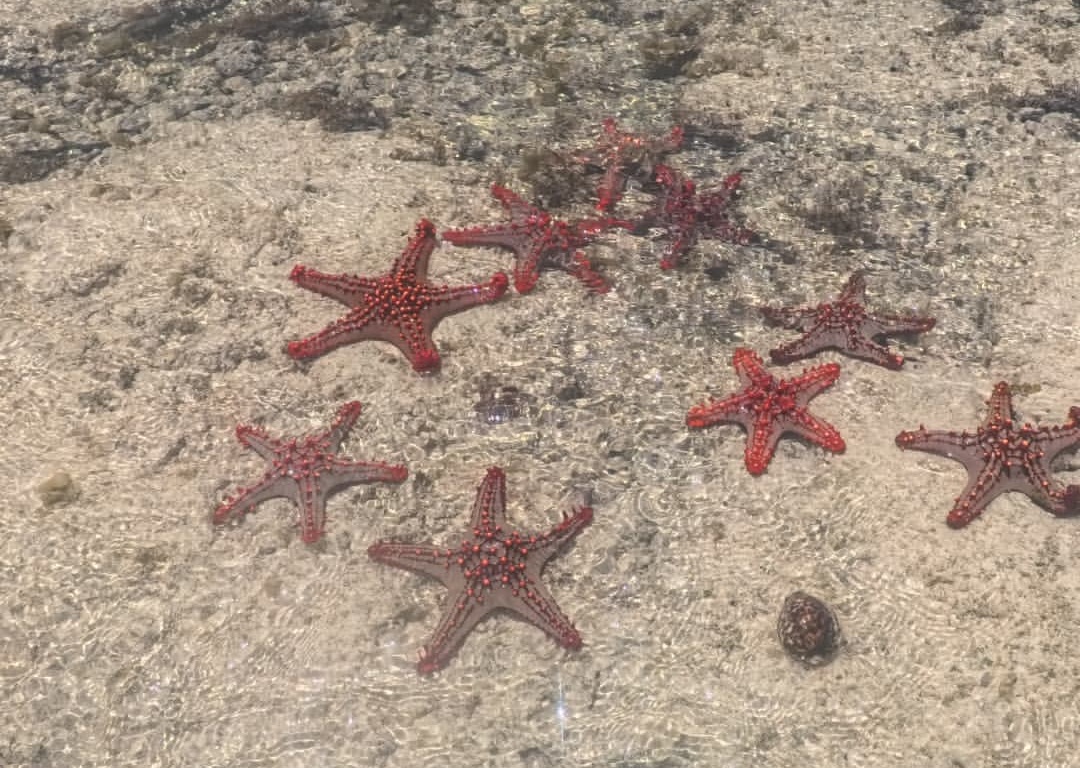
Topographical intertidal formations around Watamu include sandy beaches, exposed low-tide sandbars and rocky headlands. At spring low tides, sandbars and reef flats become walking routes for guided reef exploration. Rocky points and channels can concentrate currents, which is why local guidance and life jackets remain important even on calm-looking days.
Water temperature ranges are commonly described in two broad seasons: cooler water near about 20°C from June to November, and warmer water near about 30°C from December to May. Daily conditions still vary with wind, tide and recent rainfall.
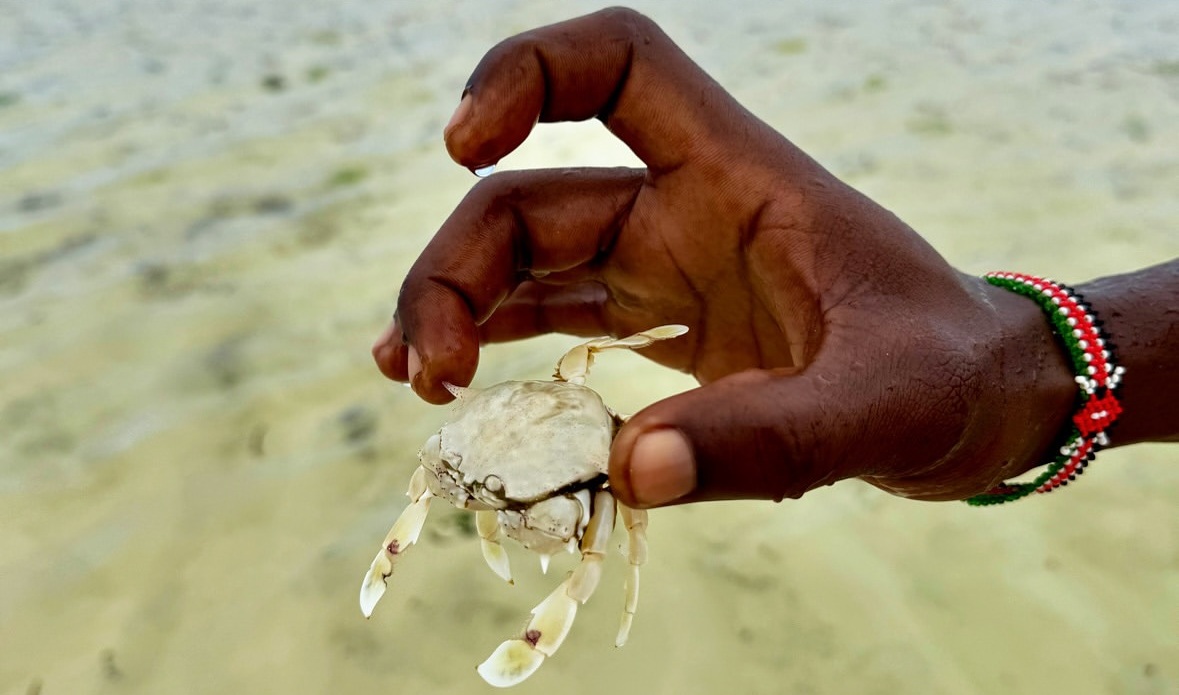
Published visitor and conservation summaries often cite approximately 600 fish species and about 110 identified stony coral species within the Watamu marine system. Megafauna, nesting turtles and coastal birds add further named entities that travellers frequently search for.
Fish species richness is commonly described at around 600 distinct species across reef, lagoon and nearshore habitats. Stony coral diversity is frequently listed at about 110 identified species. These numbers describe richness across the park’s reef complex rather than what every short boat trip will show; visibility, tide and season strongly affect what guests see on a given morning.
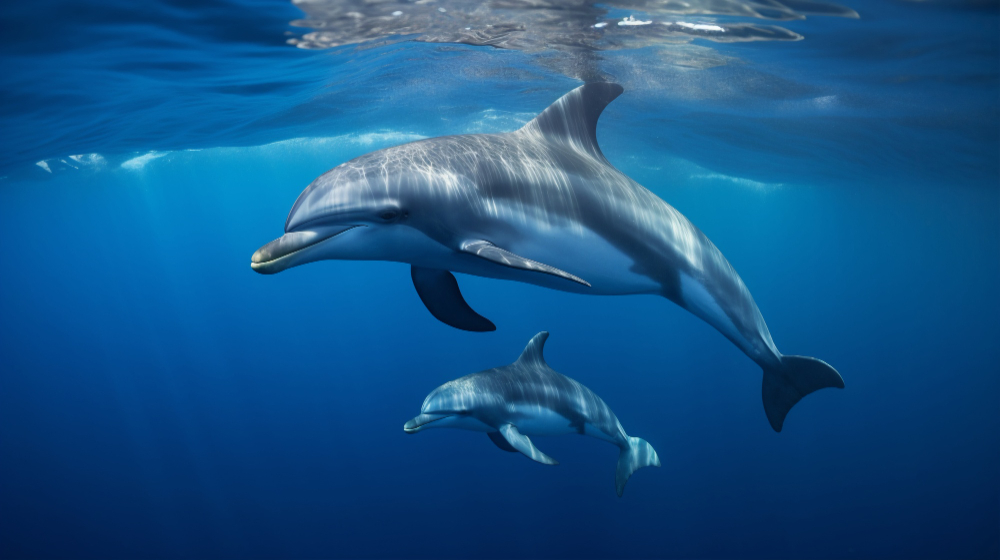
Keystone marine mammals include dolphins as seasonal residents or regular nearshore visitors. Larger seasonal visitors associated with the wider Watamu–Malindi marine area include whale sharks and manta rays. Nesting sea turtle species recorded along this coast include green turtles, hawksbill turtles and olive ridley turtles.
Key avian breeding and feeding sites linked to the Watamu marine landscape include Whale Island (notably for tern breeding) and the sandbars of Mida Creek. Indicator bird species often mentioned in local birding and conservation materials include the following.
Guests on snorkelling and glass-bottom trips commonly encounter reef-associated fish such as those listed below. These are illustrative named examples within the larger richness estimate, not a complete inventory.
Watamu sits in a tropical coastal climate. For marine park planning, two water-temperature seasons are especially useful: a cooler season roughly June–November and a warmer season roughly December–May. The month table below uses the same typical Watamu coast averages published on our home climate guide.
Cooler Indian Ocean water is often cited near about 20°C across these months. Air temperatures remain warm by temperate standards, but coastal days can feel milder than peak summer heat. Visibility and wind still vary week to week; captains confirm departure conditions daily.
Warmer water near about 30°C coincides with classic beach-holiday demand, especially December–March. April–May bring heavier long rains on average, which can soften rates and crowds while making flexible morning departures more important.
| Metric | Jan | Feb | Mar | Apr | May | Jun | Jul | Aug | Sep | Oct | Nov | Dec |
|---|---|---|---|---|---|---|---|---|---|---|---|---|
| Weather |
32°C
20mm
|
32°C
11mm
|
32°C
40mm
|
31°C
105mm
|
30°C
160mm
|
28°C
100mm
|
27°C
70mm
|
27°C
50mm
|
28°C
40mm
|
30°C
60mm
|
30°C
90mm
|
31°C
55mm
|
| Humidity |
75%
|
74%
|
76%
|
80%
|
83%
|
81%
|
81%
|
80%
|
79%
|
80%
|
81%
|
80%
|
| Sea temp |
28°C
ocean avg
|
28°C
ocean avg
|
29°C
ocean avg
|
29°C
ocean avg
|
28°C
ocean avg
|
27°C
ocean avg
|
26°C
ocean avg
|
25°C
ocean avg
|
26°C
ocean avg
|
27°C
ocean avg
|
28°C
ocean avg
|
28°C
ocean avg
|
| Marine |
Excellent
|
Excellent
|
Excellent
|
Fair
|
Fair
|
Good
|
Excellent
|
Excellent
|
Excellent
|
Excellent
|
Fair
|
Excellent
|
Typical Watamu coast averages for planning. Official cool/warm sea ranges (~20°C June–November; ~30°C December–May) describe broad seasons; daily sea state still varies.
Permitted core activities in and around Watamu Marine National Park commonly include snorkelling, scuba diving, glass-bottom boat tours, windsurfing and water skiing where local rules and sea conditions allow. Prime excursion hours usually track low-tide windows for clearer coral-garden viewing.
Shallow coral gardens begin roughly 300 metres offshore. Masks, snorkels and fins are widely available for on-site rental; guided trips improve safety in channels.
Ideal for families and non-swimmers who want reef views without entering the water. Visibility is strongest on settled mornings around favourable tides.
Diving operators use park waters and nearby sites when certification, weather and KWS rules allow. Cooler, clearer dry-season stretches are popular with divers.
Responsible boat approaches follow local guidelines promoted through community training. Sightings are seasonal and never guaranteed.
An on-site land trail associated with park interpretation and shoreline access, useful for guests combining beach time with orientation walks.
A coastal walking route along Watamu’s public beach frontage, connecting accommodation clusters with beach access paths used for boat meeting points.
Watamu Marine National Park does not rely on one centralised physical entrance gate for the whole town shoreline. Guests usually reach boats via public beach access paths, then present Kenya Wildlife Service proof of payment. Ticket booking is handled through the KWS eCitizen platform, and pre-payment is treated as mandatory before entry.
Boat charter fees paid to a booking agency or captain are separate from KWS conservation tickets. On-site gear rentals are commonly available for masks, snorkels, fins and diving regulators. Low tide remains the practical window for optimal coral-garden visibility.
Published visitor guidance used on this site commonly lists East African citizen adult entry around KSh 300 and child entry around KSh 125, with non-resident adult entry around USD 20 and child entry around USD 5. Always confirm current tariffs on official Kenya Wildlife Service eCitizen channels before travel, because government fees can change.
For a fuller breakdown of resident, citizen and visitor rates, read the park fee articles in our Watamu marine park blog, including the Watamu Marine Park entry fee guide.
| Visitor category | Typical published fee |
|---|---|
| EAC / citizen adult | About KSh 300 |
| EAC / citizen child | About KSh 125 |
| Non-resident adult | About USD 20 |
| Non-resident child | About USD 5 |
| Booking channel | KWS eCitizen (pre-pay) |
Fee figures are planning guidance as commonly published for visitors. Verify live rates and age bands on official KWS eCitizen before purchase.
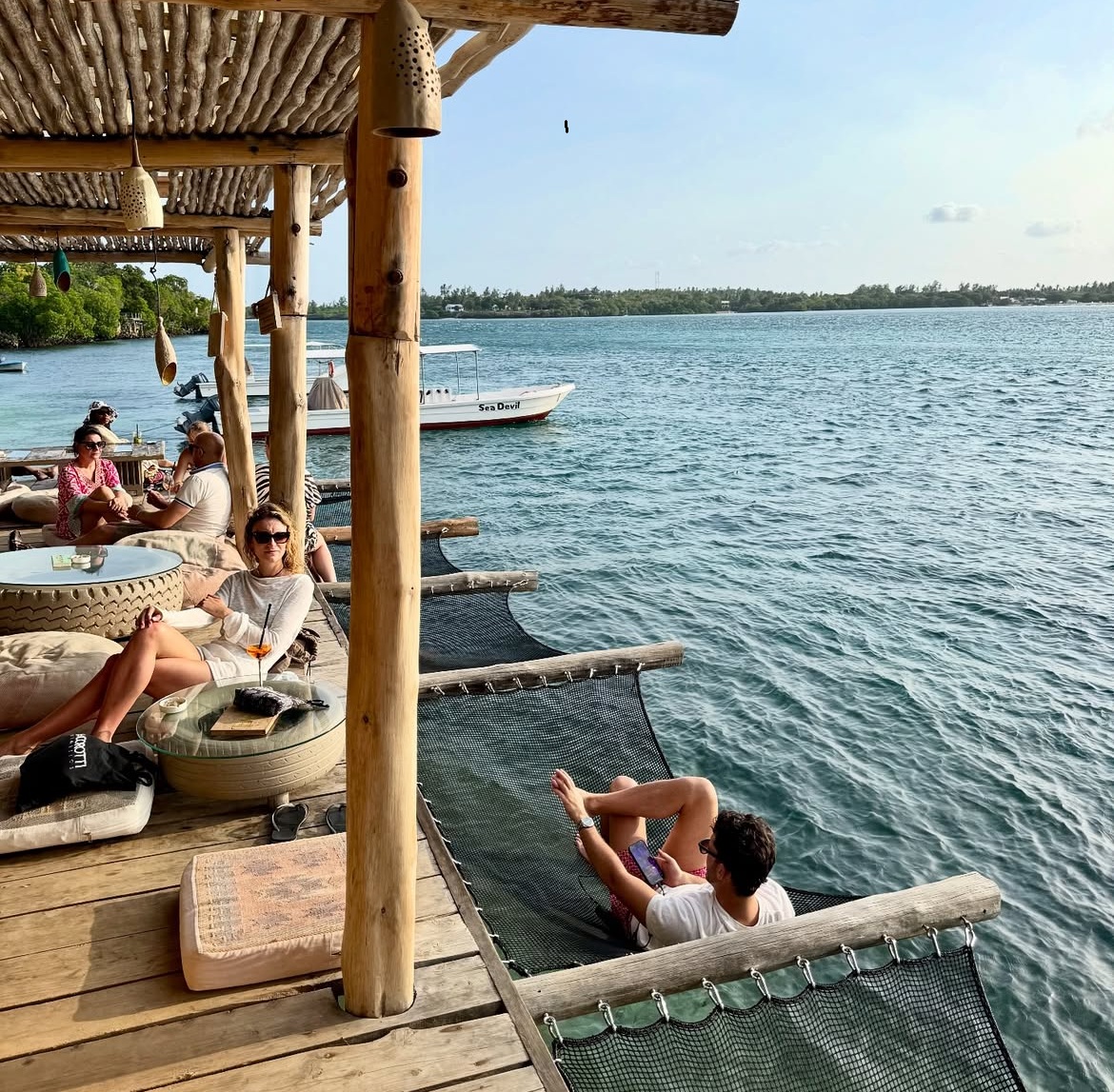
Hospitality around Watamu Marine National Park clusters along Turtle Bay Road, Jacaranda Road and nearby beachfront strips. Distances below are approximate proximity references used by travellers comparing hotels near Watamu Marine Park.
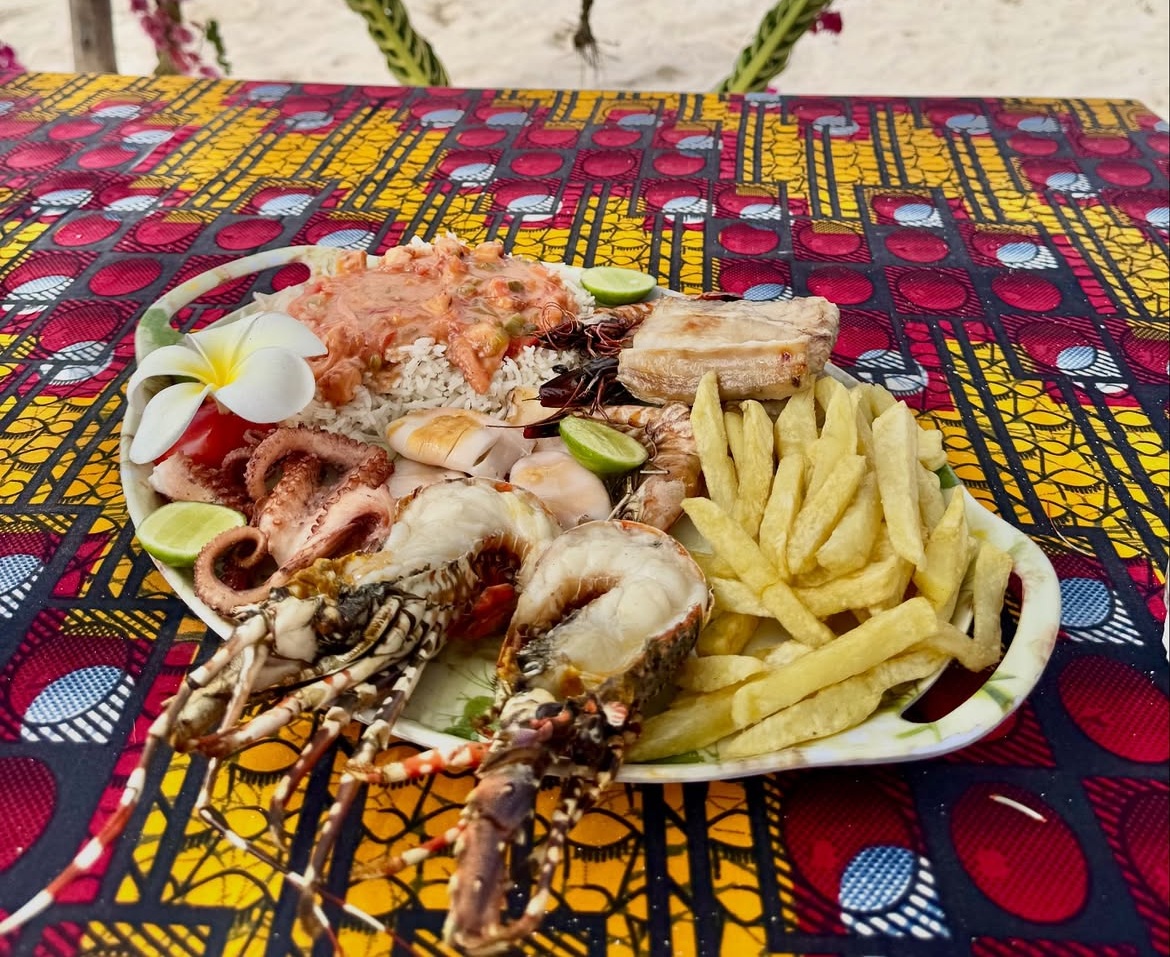
Dining near Watamu Marine National Park mixes beachfront seafood restaurants with local Swahili cafes and produce stalls (dukas) inside Watamu village. Guests staying on Turtle Bay Road or Jacaranda Road can walk to many evening options after a marine park day.
Frequently named beachfront seafood and Italian-leaning stops include Papa Remo Beach on Jacaranda Road and Ocean Sports Restaurant. Inside town, smaller cafes serve local meals closer to everyday Watamu life than resort dining rooms.
Watamu’s reef and intertidal environment is beautiful and also physically sharp. Practical preparation reduces injury risk and keeps trips focused on wildlife rather than first aid.
High-UV marine climate. Reef-safe sunscreen, polarised sunglasses and hydration packs are strongly recommended for boat and beach days.
Mandatory use of aqua shoes or reef boots during low-tide reef walks helps prevent stonefish or sea urchin punctures on exposed flats.
Strong intertidal currents can occur near channels. Swimming and snorkelling should use life jackets or professional guiding, especially for children and first-time reef visitors.
Sustainable tourism around Watamu Marine National Park is closely tied to named local organisations that train boat operators, monitor turtles and coordinate stakeholder interests.
A non-profit umbrella organisation formed in 2007 linking tourism stakeholders, conservationists and community groups. WMA promotes sustainable commercial development and protection of the marine park, including responsible dolphin-watching guidelines and training pathways for local boat operators.
Flagship work under the WMA umbrella includes monitoring turtle nesting beaches, managing a marine turtle rehabilitation centre, and protecting green turtle hatchlings along Watamu’s nesting coastline.
A prominent local all-inclusive resort deeply integrated with community eco-tourism initiatives and marine debris recycling sponsorships, frequently cited in local conservation–tourism partnerships.
Community-led groups trained with WMA support in responsible dolphin-watching guidelines and maritime handling, including pathways linked to the Indian Ocean Maritime Training Centre.
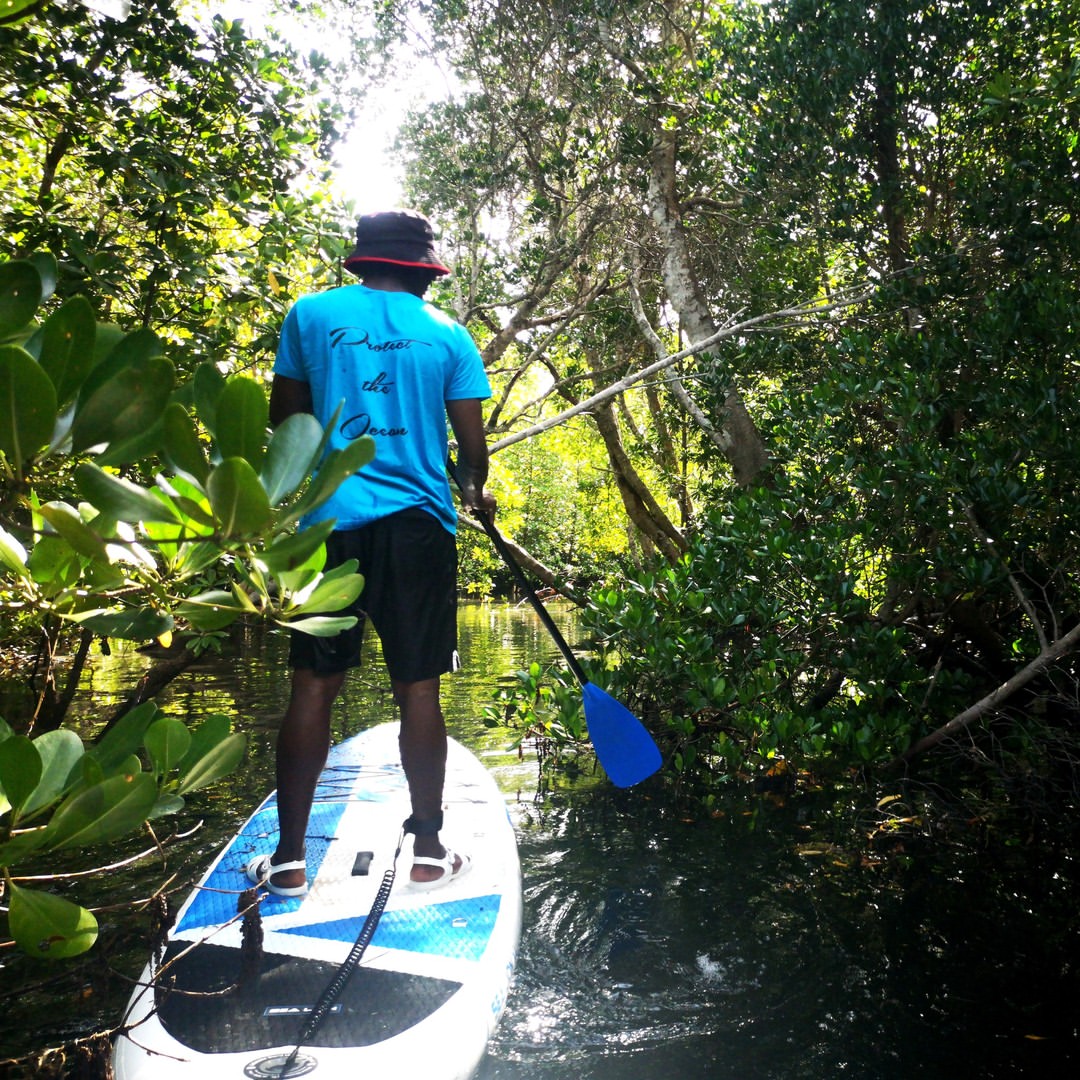
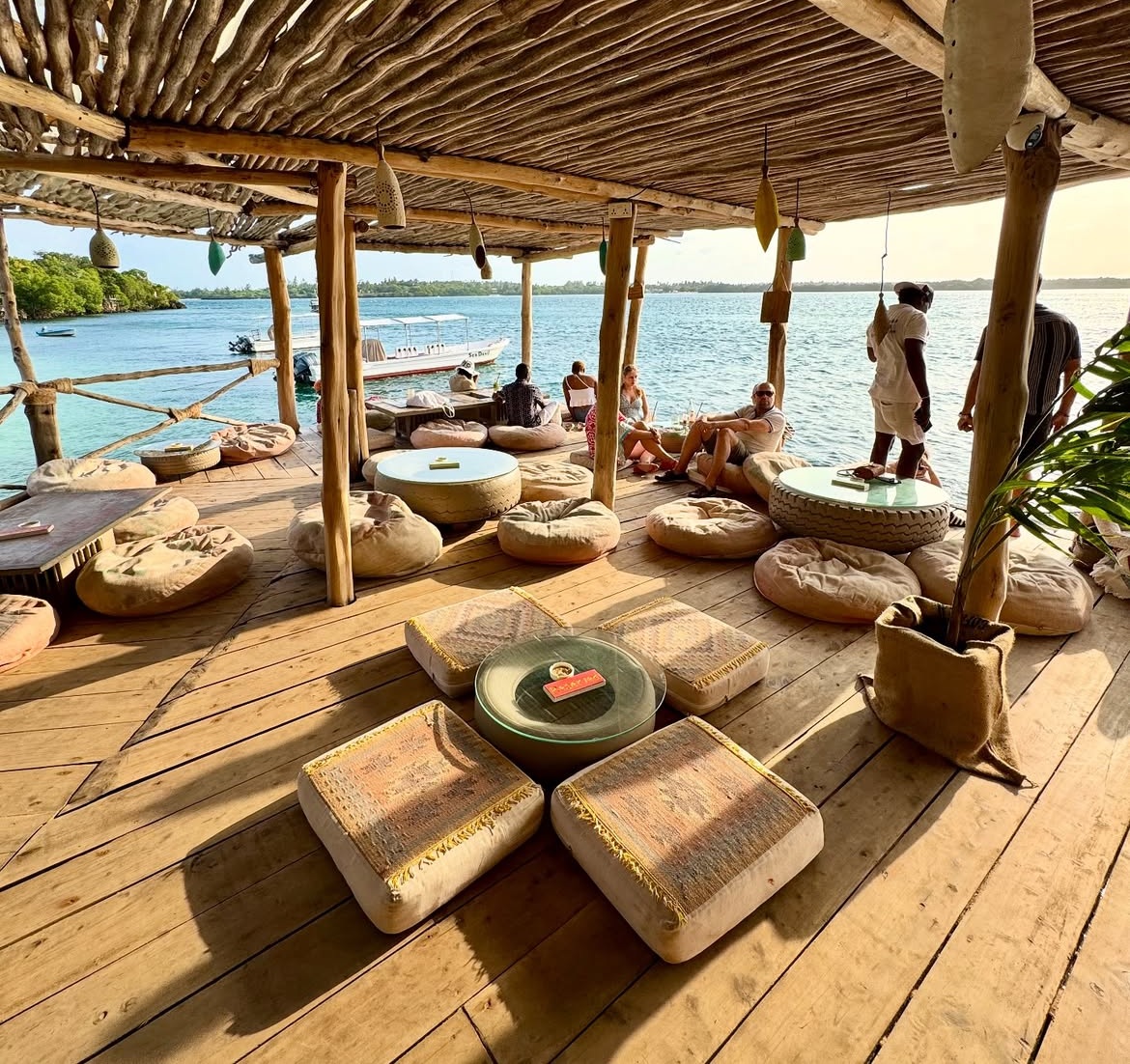
Short answers to high-intent questions about location, tickets, activities and best time to visit.
When you are ready to move from research to a booked excursion, browse fixed-price Watamu Marine Packages with licensed captains, or start the online booking form for your preferred date and group size.