
How much do non residents pay to enter Watamu Marine Park in 2026
The official Watamu Marine Park non-resident fee for 2026 is a daily conservation charge of USD $20 per adult (approx. KSh 2,500). This government fee is payable directly to the Kenya Wildlife Service (KWS) and is entirely separate from private boat charter costs. Differentiating between the KWS fee and tour operator charges is necessary for accurate trip budgeting.
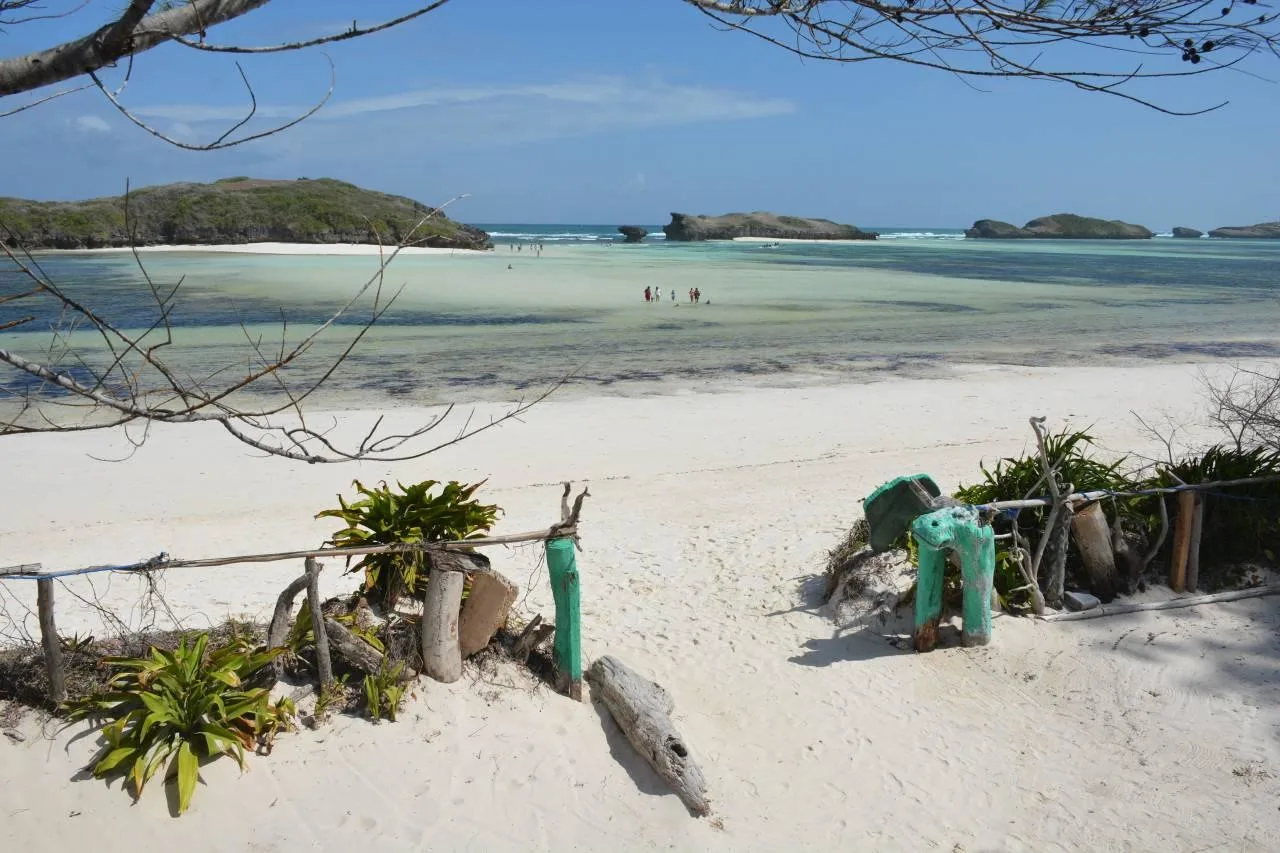
Official 2026 Watamu Marine Park non-resident entry fees
The Kenya Wildlife Service (KWS) sets the daily conservation fees for non-residents entering Watamu Marine Park. These government-mandated fees are required daily for park entry and directly fund marine conservation efforts.
| Visitor Category (Non-Resident) | Fee in USD | Fee in KSh (Approx.) |
|---|---|---|
| Adult | $20 | KSh 2,500 |
| Child (3-17 years) | $15 | KSh 1,500 |
The 2026 rates are fixed in USD, with the Kenyan Shilling amount serving as an approximation based on the day's exchange rate. All government fees are subject to change by KWS.
Your park ticket is valid for a single calendar day. The ticket must be available for inspection by KWS rangers upon request inside the marine park.
Paying the Watamu Marine Park Entry Fee in 2026
You must pay the KWS entry fee through official channels, not to your boat captain or tour guide. The standard payment point is the official KWS office at the main park entrance gate in Watamu upon arrival.
Accepted payment methods at the KWS gate?
Non-residents can pay at the KWS gate using a credit card (Visa, Mastercard) or the M-Pesa mobile money service. KWS uses a cashless payment system, so card or M-Pesa is the standard requirement.
Can you pay for Watamu Marine Park entry online?
Yes, you can pay in advance through the official KWS self-service online portal. Pre-payment can save time on the day of your marine park excursion.
Activities Permitted by the Watamu Marine Park KWS Entry Fee
The KWS entry fee grants you access to the protected waters of the Watamu Marine National Park. Permitted activities include snorkeling, swimming, and access for glass-bottom boat tours and dolphin watching excursions.
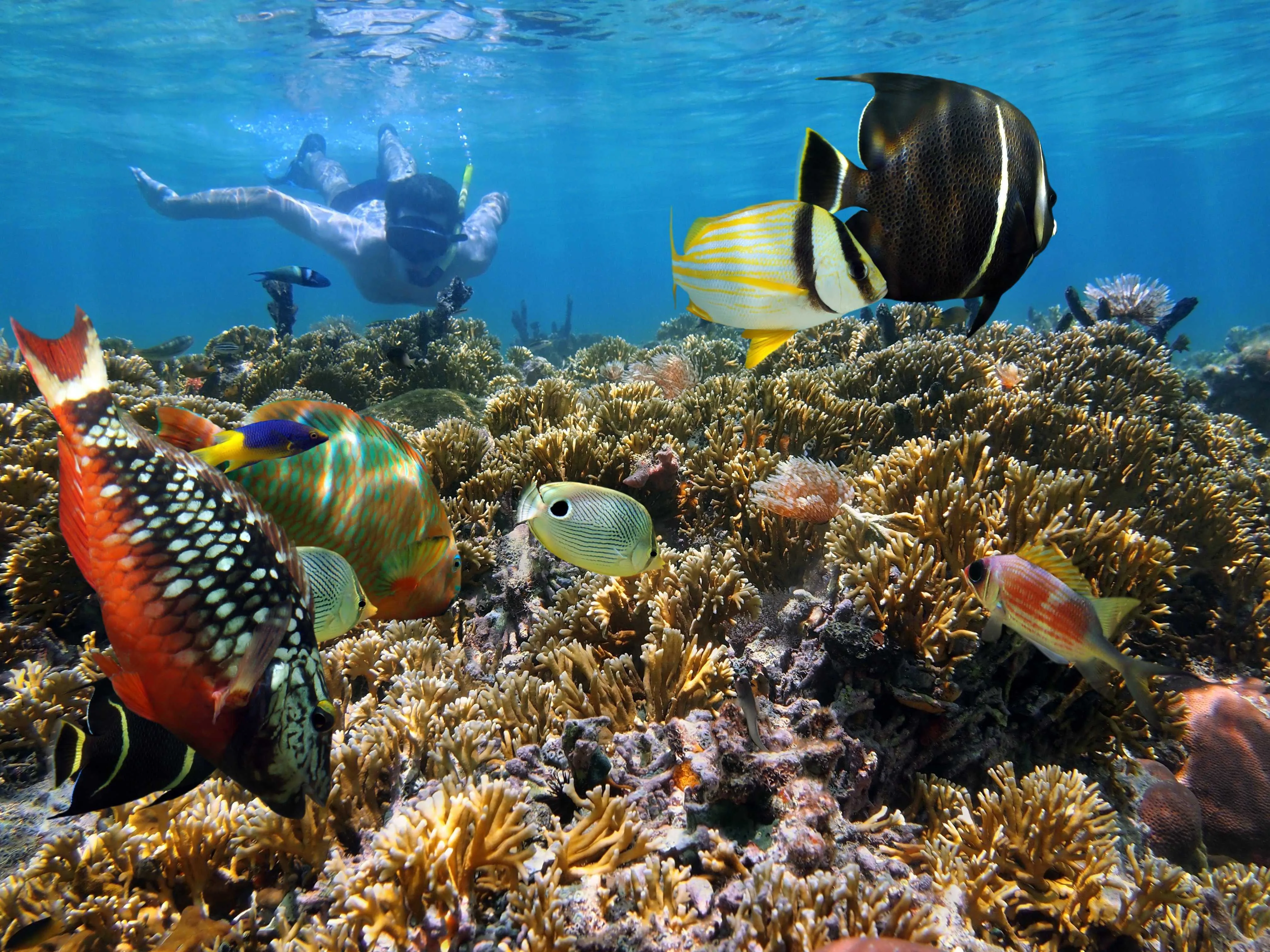
The KWS fee covers park access only. The cost does not include boat charters, guide services, or equipment hire such as masks and fins.
Licensed private operators provide boat trips and gear rental as a separate service. An operator's charges cover the vessel, fuel, crew, and equipment for the excursion.
How KWS fee differ from tour operator costs
The KWS entry fee is a government conservation tax, while a tour operator's fee pays for the boat excursion service. The KWS fee funds park maintenance and ranger patrols. The tour operator fee covers the boat, captain, guide, fuel, and safety equipment.
A licensed operator’s package may also include snorkeling gear. Reputable operators will state clearly if the KWS fee is included in their quoted price or must be paid separately at the gate. This distinction is necessary for transparent budgeting.
How to book a licensed Watamu Marine Park excursion
Booking your marine park trip with an officially licensed operator ensures safety and price transparency. Arranging a tour online in advance provides a fixed price and a confirmed reservation, avoiding the need to haggle with beach vendors.
A booking with a licensed operator guarantees a professional crew and properly maintained safety equipment. When booking, always confirm if the quoted price includes the KWS park entry fees to avoid unexpected costs.
Best time to visit Watamu Marine Park
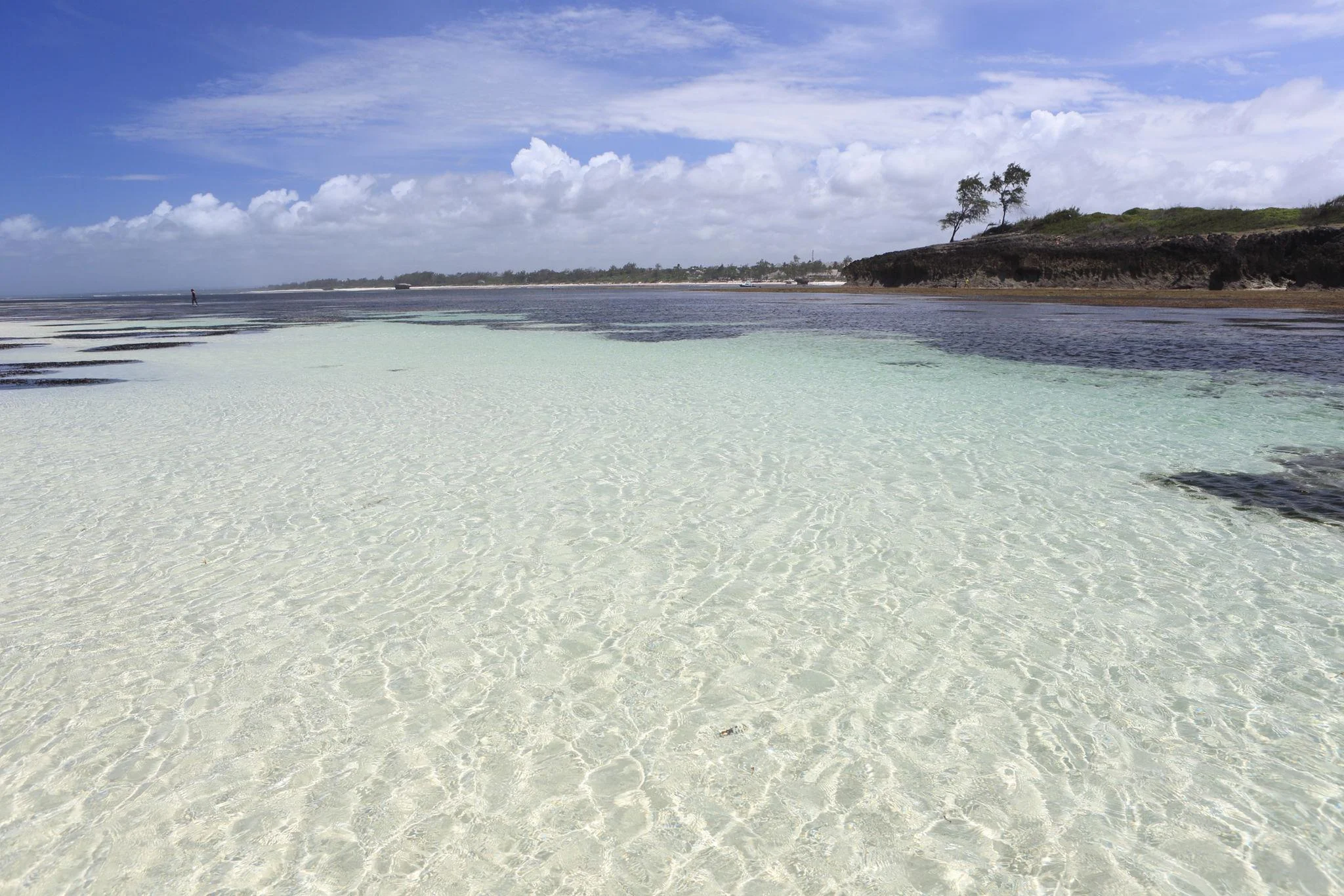
Planning your visit around tides and seasons provides the best marine park experience. The tide is the most significant factor for visibility. You must visit during low tide for the best snorkeling conditions and access to the coral gardens.
High tide brings deeper, more turbulent water, which reduces underwater clarity. Licensed captains schedule all marine park excursions to coincide with the low tide cycle.
How seasons affect a Watamu Marine Park trip
The period from October to April offers the calmest seas and clearest conditions for a marine park visit. The "Kusi" southeast monsoon from May to September can create choppier water and bring rain.
Dolphin sightings occur year-round, but the calmer months of October to April provide a more comfortable viewing experience. Always consult a local Watamu tide chart before your trip.