
How Non-Swimmers Can Safely Enjoy Watamu Marine Park
A glass bottom boat Watamu non swimmers tour provides a safe method for viewing the marine park's underwater habitats. These licensed excursions allow passengers to see coral and fish through transparent hull panels, removing any need to enter the water. The trips are structured around low tide to include stops at shallow sandbanks for walking in ankle-deep water.
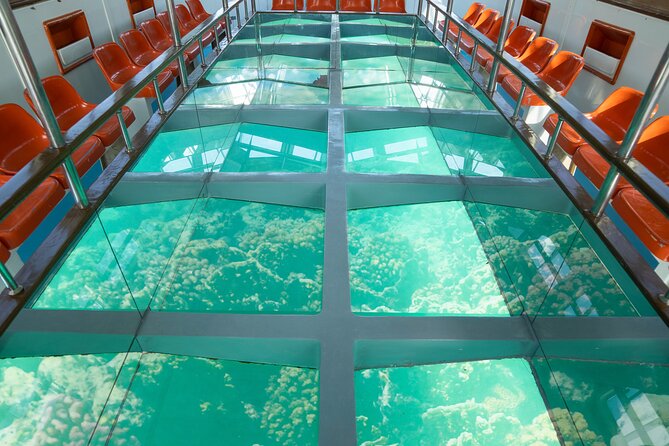
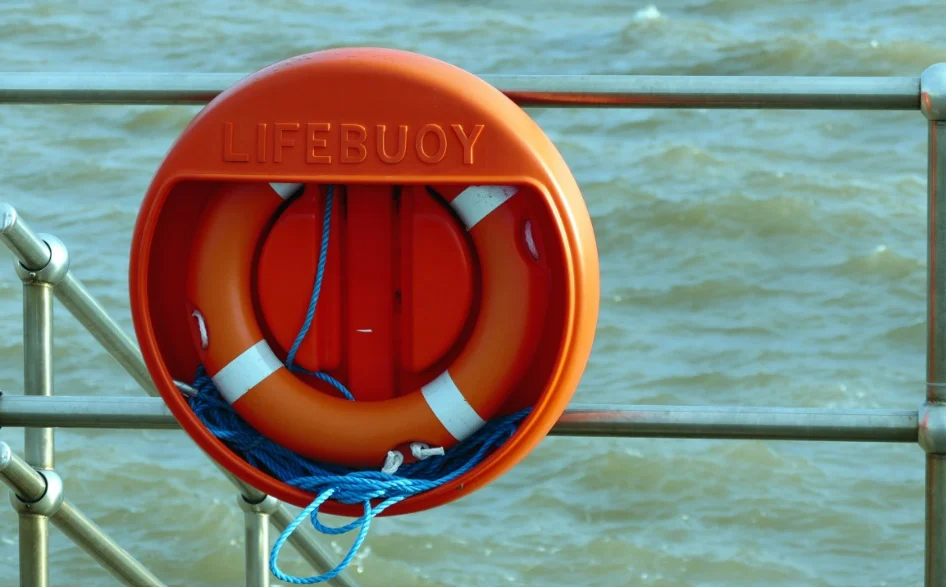
Booking a tour with a licensed operator via their website ensures fixed pricing and avoids the common practice of beachside haggling. Captains provide all safety equipment, such as life vests and life rings, for the tour's duration.
Safety Measures in Place for Non-Swimmers on Watamu Boat Trips
Licensed Watamu boat tours prioritise non-swimmer safety with specific equipment and established protocols. Every passenger receives a correctly fitting life vest and must wear it for the entire duration of the marine excursion. The life vests are distributed before departure as a mandatory part of the on-board safety procedure.
Life Rings for Buoyancy Support
The boats carry life rings for rescue and as buoyancy aids. Captains use these rings to help non-swimmers float comfortably and securely in calm, shallow water near the sandbanks. This method offers a gentle introduction to the ocean for passengers who may be nervous in the water.
KWS-Licensed Captain Training
Every Kenya Wildlife Service (KWS) licensed captain in Watamu holds qualifications in first aid and marine safety procedures. Their local expertise covers the area's currents, tides, and reef system. Onboard communication systems maintain a constant link to the shore base, providing a reliable safety network.
Marine Life Visible From a Glass-Bottom Boat
The transparent viewing panels offer a direct window into the Watamu Marine National Park ecosystem. Passengers can see various coral gardens, including brain coral and branching staghorn coral, which are foundational to the habitat. This viewing method allows for marine observation without passengers getting wet.
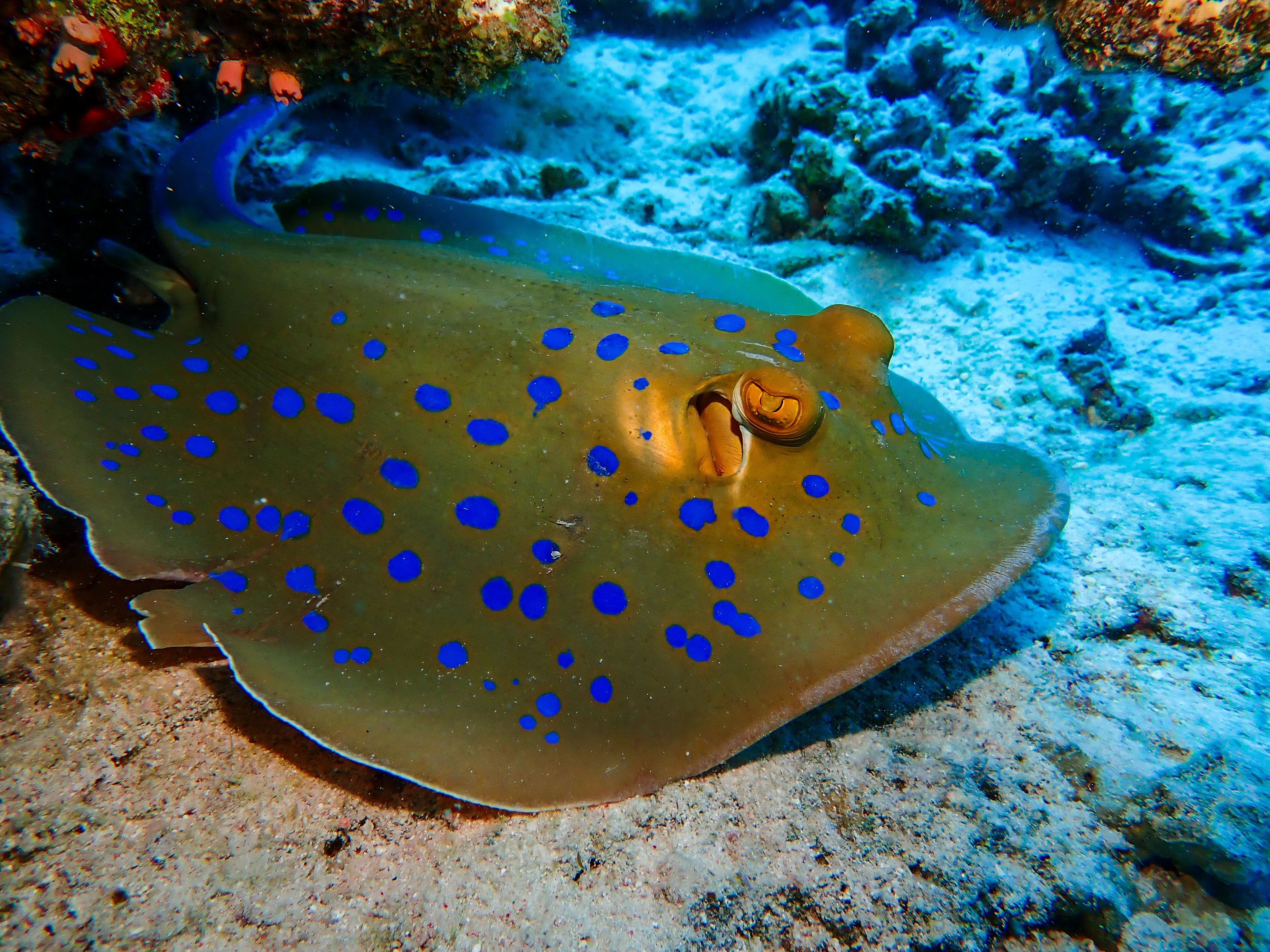
While moving over the reefs, you will observe schools of colourful fish such as parrotfish, triggerfish, and angelfish. Blue-spotted rays are often visible on the sandy seabed, alongside different species of starfish. The high water clarity and abundance of life are direct results of the park's protected KWS status.
How Glass-Bottom Boats Accommodate Non-Swimmers
Glass-bottom boat designs are inherently stable and provide a secure observation platform suitable for non-swimmers. The crew assists with boarding directly from the beach in shallow water, so passengers do not need to use difficult ladders or navigate high boat sides. The process ensures a safe entry and exit from the vessel.
Onboard, shaded seating is arranged around the central viewing panels to protect guests from the sun. The boats are designed for stability within the calm, reef-protected waters of the park. This design minimises motion and helps ensure a comfortable journey for all passengers.
The tour's pace is slow and methodical. The captain navigates over the most populated areas of the reef, giving passengers enough time for observation and photography. A typical tour lasts a few hours, offering a full experience without being tiring.
How Non-Swimmers Interact with Watamu Marine Life
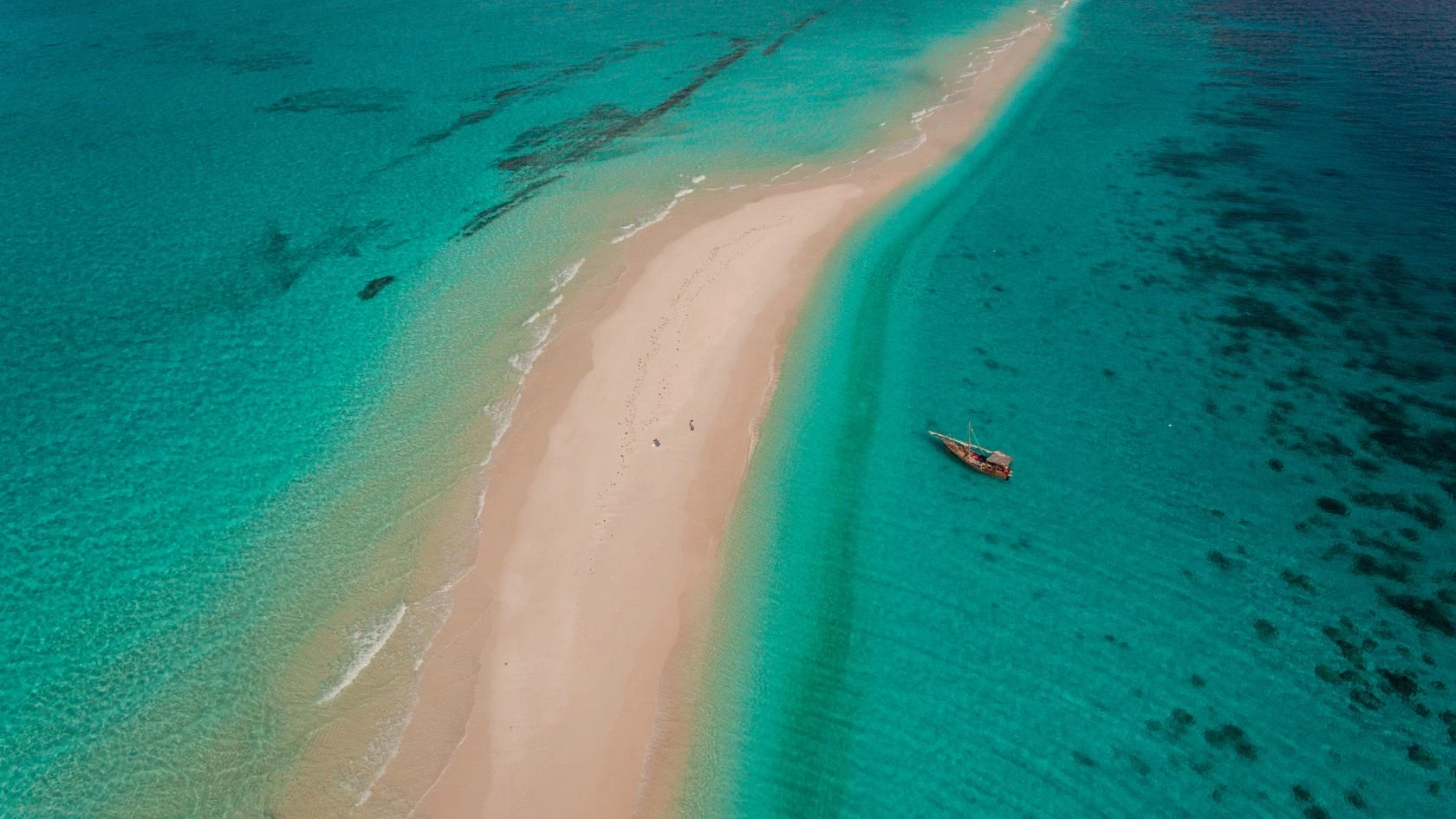
Watamu's marine environment features expansive, shallow sandbanks that appear at low tide. Captains time the tours to coincide with low tide, allowing you to disembark the boat and walk on the ocean floor in ankle-deep water. Here, you can safely observe marine creatures like sea cucumbers and cushion stars in their natural setting.
Captains also offer guided wading for a closer water experience. Using a life ring for support, you can float in waist-deep water under the captain's direct supervision. This popular option allows you to cool off and see the reef from a water-level perspective without needing to swim.
This guided interaction is a controlled and respectful way to engage with the marine park. The captain provides clear guidance on which marine life can be gently handled and what must be observed from a distance. This ensures both passenger safety and the conservation of the ecosystem.
Captain's Role in a Non-Swimmer Tour
A licensed Watamu captain is a specialised guide trained to manage the specific needs of non-swimming guests. Their local knowledge allows them to identify the calmest waters and best viewing spots based on the day's tides and conditions. They select routes away from strong currents to ensure a stable boat trip.
The captain's primary function is proactive safety management. They conduct a full safety briefing before departure and continually assess passenger comfort. For non-swimmers, captains provide clear instructions and physical assistance, especially when using life rings for shallow water flotation. This direct guidance builds passenger confidence.
The captain is also responsible for monitoring tidal flow. This skill is necessary for timing the sandbank visit correctly. Correct timing ensures the group can enjoy the sandbank and return to the boat safely before the tide turns.
Typical Itinerary for a Watamu Non-Swimmer Tour
A standard glass-bottom boat tour for non-swimmers in Watamu lasts between two and three hours. This duration provides enough time to see the marine park's main features without causing fatigue from sun exposure.
The itinerary is structured around the low tide to ensure sandbank access. A trip typically includes:
- A slow cruise from the beach over coral gardens for viewing through the glass panels.
- A scheduled stop at an exposed sandbank during low tide for walking in the shallows.
- A tour around the park to look for dolphins or sea turtles, which are frequently sighted.
- A calm return journey to the departure point on the beach.
The optimal time of day for a tour depends entirely on the low tide schedule. Licensed operators will confirm the best departure time when you book to guarantee the sandbanks are accessible.
Watamu Non-Swimmer Tour Key Facts
| Feature | Detail | Reason |
|---|---|---|
| Typical Duration | 2 to 3 hours | Allows for a full experience without sun fatigue. |
| Key Activity | Visiting exposed sandbanks | Provides a safe way for non-swimmers to walk on the seafloor. |
| Included Fees | KWS Park Fees | Licensed operators include mandatory fees in the total price. |
| Booking Method | Online via operator website | Secures a fixed price and avoids beach haggling. |
How to Book and Price a Watamu Glass-Bottom Boat Tour
Booking your tour online with a registered, licensed operator is the recommended way to organise a quality trip. This method gives you fixed, transparent pricing and removes the need to negotiate with vendors on the beach. Online booking helps confirm you are dealing with a business that meets official safety standards.
The price from a licensed operator includes all required fees. A standard package covers the mandatory Kenya Wildlife Service (KWS) marine park entry fees, boat and captain hire, and all safety equipment. This inclusive pricing model prevents unexpected costs during the trip.
Reputable operators provide clear details on payment options, such as M-Pesa or card, and have specific cancellation policies. You should book at least one day in advance, particularly during high season, to secure a tour slot that aligns with low tide.
Why Watamu Is Good for Non-Swimmer Marine Tours
Watamu offers distinct advantages for non-swimmers compared to other destinations like Diani or Mombasa. Watamu's large, protected inner reef creates a calm, lagoon-like environment shielded from the open ocean. This geography is ideal for a stable glass-bottom boat tour with high visibility.
The area's most significant differentiator is the formation of walkable tidal sandbanks. The specific topography of Watamu Bay enables these sand islands to appear at low tide. This feature offers a unique opportunity for non-swimmers to exit the boat and stand directly in the marine environment in safe, shallow water.
The high concentration of KWS-licensed operators in Watamu also promotes a high standard of safety and guest care. The local boat industry specialises in these specific marine park excursions, meaning captains and crews have deep experience guiding non-swimmers.
How to Choose a Licensed Watamu Boat Operator
Selecting a reputable, licensed operator is the most important part of planning a Watamu marine park tour. A licensed trip ensures that safety standards are met, park fees are paid correctly, and the crew is professionally trained. This is the most effective way to book a secure and ethically operated excursion.
Use this checklist when selecting a boat operator:
- KWS Licensing: Verify the operator holds a current Kenya Wildlife Service license for marine activities.
- Transparent Pricing: Confirm the quoted price includes all KWS park fees with no hidden costs.
- Safety Equipment: Ask if they provide properly maintained life vests for all adults and children.
- Non-Swimmer Protocols: Enquire about their specific experience with non-swimmers and their use of life rings for guided floating.
- Online Reviews: Check for a professional website with recent, positive reviews from other travellers.
Verifying these points helps you book a trip that prioritises safety and comfort. This approach allows you to enjoy the Watamu Marine National Park's natural environment without concern.