How our Watamu boat captains protect the coral reefs from anchor damage
Our Watamu boat captains protect the coral reef from anchor damage by using official Kenya Wildlife Service (KWS) mooring buoys and expert drift techniques. The boat tours strictly prohibit deploying heavy metal anchors on the reef. This non-negotiable rule is the foundation of responsible tourism in the Watamu Marine National Park and ensures your trip supports marine preservation.
KWS Regulations for Marine Park Boats in Watamu
Licensed boat operations in Watamu Marine National Park must follow mandatory KWS regulations. KWS enforces these rules to minimise environmental harm and maintain the park’s healthy ecosystem. This legal framework is a condition of holding a commercial boat license.
Key regulations require marine guides to maintain designated speed limits to protect sea turtles and other marine life. The rules also include a strict no-waste-disposal policy and an absolute ban on anchoring on coral. Captains receive training to operate only within marked channels and to use the official mooring system.
KWS rangers patrol the park to ensure compliance with these marine park rules. The marine park entry fees paid by every visitor directly fund these KWS conservation efforts. The funding supports the maintenance of mooring buoys and ranger patrols.
How Mooring Buoys Prevent Coral Damage in Watamu
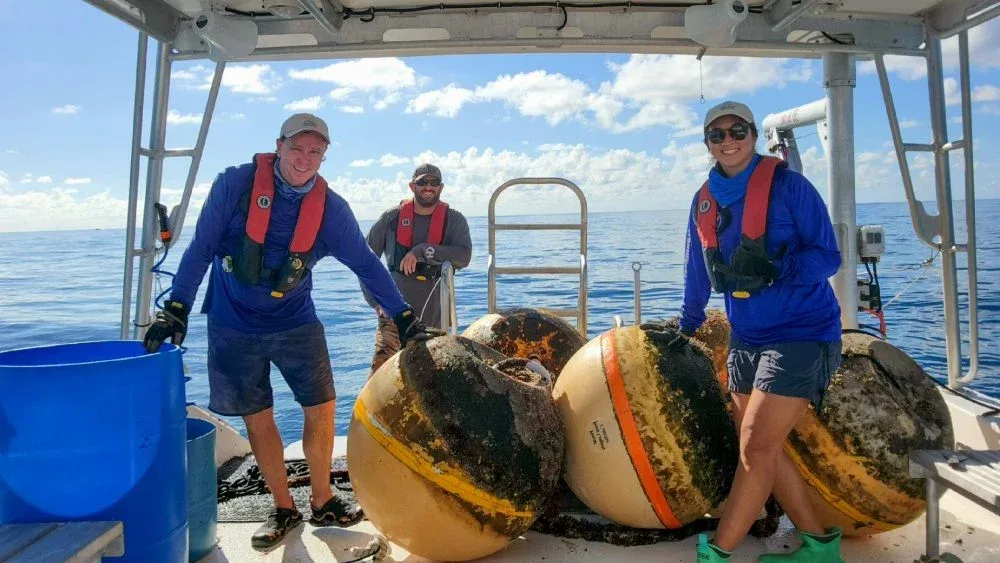
A mooring buoy is a permanent anchor point fixed to the seabed, located away from sensitive coral formations. A floating buoy on the surface connects to this anchor, providing a secure point for boats to tie up. KWS designs and maintains this system to give access to snorkelling sites without damaging the reef.
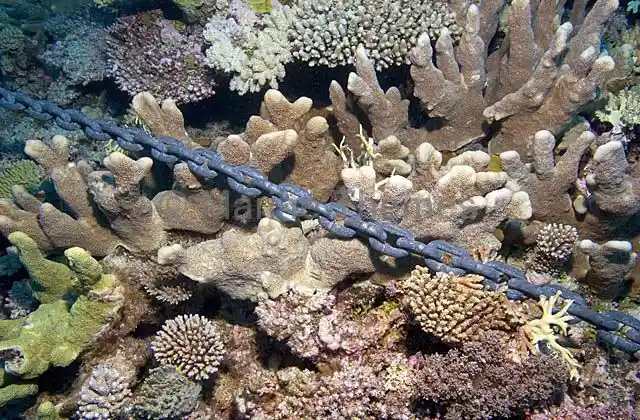
A traditional heavy metal anchor and chain cause severe physical damage to the reef. The anchor's weight can crush and shatter coral structures that have taken centuries to grow. The anchor chain also drags across the seafloor as the boat moves, scouring away coral and other marine life.
By mandating the use of KWS-designated mooring buoys, our captains eliminate this destructive practice. The boat remains securely tethered to the buoy and has no physical contact with the reef. This mooring method ensures the boat operation leaves no trace on the marine environment.
What are Drift Techniques for Marine Tours?
Drift techniques are a skilled boat handling method used by experienced marine guides when a mooring buoy is not available. Captains also use this technique when observing mobile marine life like dolphins. The captain cuts the engine or puts it in neutral, allowing currents and wind to guide the boat along a reef edge.
This approach requires deep local knowledge of Watamu's tides and currents. The captain makes small engine adjustments to maintain a safe distance and correct position. These careful manoeuvres ensure the boat never makes contact with the underwater ecosystems.
The drift method is highly eco-friendly because it has zero physical impact on the seabed. It also allows guests to cover a larger viewing area than a stationary mooring would. This technique offers a different but equally responsible way to experience the park’s biodiversity.
How to Identify an Eco-Friendly Watamu Boat Operator
Travellers can identify responsible boat operators in Watamu by checking for several clear indicators. These points help distinguish professional, licensed operations from informal offers that may not follow park conservation rules. Vetting your choice against these standards supports local marine conservation.
- Official KWS Licensing: The captain must present a valid KWS license and a current permit for the boat. This is the minimum legal requirement for operating inside the marine park.
- Explicit No-Anchor Policy: A reputable operator will confirm they only use KWS mooring buoys or drift techniques. Any hesitation to confirm this policy is a red flag.
- Clear, Fixed Pricing: Professional operators offer clear, set prices for their tours. Online booking with transparent pricing avoids variable rates that can create pressure to bypass official rules.
- Knowledgeable Guides: A licensed marine guide has formal training and can explain KWS rules, identify marine species, and brief you on proper snorkelling etiquette.
- Commitment to Conservation: Look for operators who actively discuss their sustainability practices and explain how their tours protect the marine environment.
Watamu Eco-Friendly Tour Features at a Glance
| Feature | Description | Conservation Impact |
|---|---|---|
| Anchor Policy | No anchors on coral; KWS buoys or drift only | Prevents physical damage to the reef structure |
| Captain Licensing | Valid KWS permits required for all captains | Ensures adherence to park rules and safety standards |
| Booking System | Online with fixed, transparent pricing | Removes pressure to cut corners for lower prices |
| Tour Focus | Snorkelling, dolphin watching, marine life | Promotes non-extractive, observation-based tourism |
Marine Life Protected in Watamu Marine Park
Watamu's conservation measures safeguard a wide variety of marine life that depends on a healthy reef system. The park is a habitat for over 150 species of hard corals. These species include large formations of brain coral, plate corals, and branching staghorn corals.
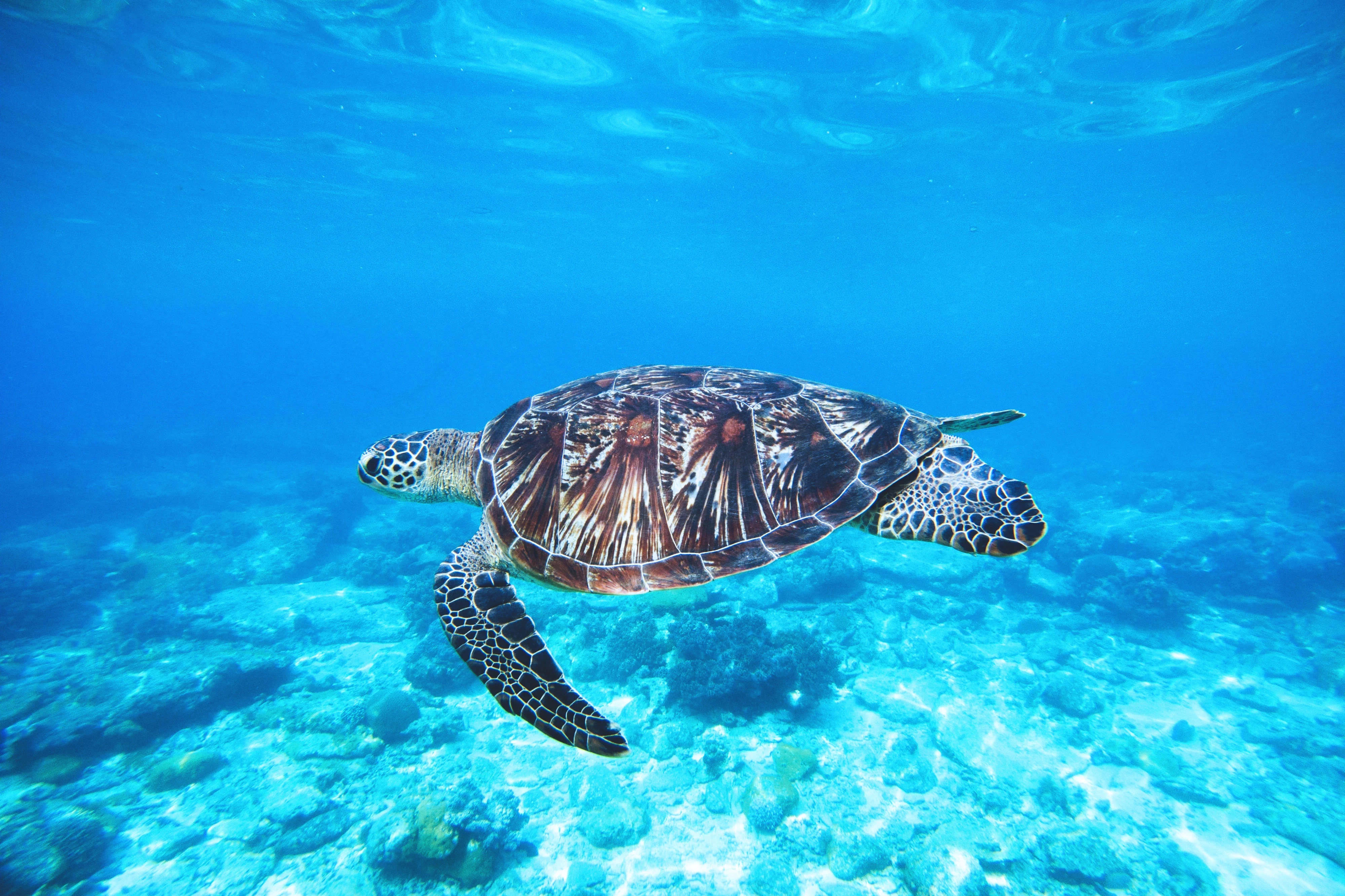
The coral reef provides food and shelter for more than 600 species of fish, such as parrotfish, angelfish, moray eels, and groupers. The park is also a feeding ground for Green and Hawksbill sea turtles.
Pods of Indo-Pacific bottlenose dolphins and larger humpback dolphins are regular visitors to the park. Protecting the coral from physical anchor damage ensures this entire interconnected web of marine biodiversity can continue to function.
How We Ensure Our Captains Protect Watamu's Reefs
Our commitment to reef conservation is built on a system of captain selection, training, and accountability. We partner exclusively with independent, local boat captains who hold current KWS licenses and have a proven record of responsible operation. Every captain undergoes a review of their commitment to our sustainability rules before joining our platform.
We provide ongoing training on KWS regulation updates and best practices in marine etiquette. Our fixed-price online booking model provides stable fares for captains. This stability supports an operational focus on safety and regulatory compliance over on-the-spot price negotiation.
Client feedback is a key part of our oversight process. We actively monitor reviews to ensure high standards of safety and environmental care are met on every excursion. This professional framework guarantees that a trip booked through our platform supports the long-term health of Watamu's marine ecosystem.
How KWS Digital Permits Will Affect Watamu in 2026
The Kenya Wildlife Service (KWS) is piloting a new digital permit and licensing system in Watamu for 2026. This system modernises how marine park access is managed. The platform replaces paper-based tickets and permits with a more efficient and transparent digital process.
The digital system will create a smoother park entry process for visitors. For boat operators, the system simplifies the process of license renewal and compliance.
The KWS digital system is expected to improve the enforcement of regulations. It allows KWS rangers to verify the credentials of any boat in the park instantly. The system is also anticipated to channel a greater portion of revenue directly into local conservation projects, such as reef monitoring and community outreach programmes.
How to Book an Eco-Friendly Watamu Marine Excursion
Booking a licensed trip in Watamu is a straightforward and secure process. Our online booking platform offers a clear alternative to negotiating with vendors on the beach. You can browse available trips, such as snorkelling or a dolphin watching tour, and book your place with a clear, fixed price.
Pre-booking guarantees your spot with a licensed and vetted captain who is committed to protecting the reef. This process provides certainty that your trip is safe, well-organised, and supports responsible tourism in Watamu.
How to Plan Your Watamu Marine Park Tour
Planning for tides and seasons helps you get the most from your marine excursion in Watamu. Low tide generally offers the calmest water and best visibility for snorkelling inside the reef. Our captains are experts at timing trips to coincide with these optimal tidal conditions.
The period between October and April typically provides the calmest seas and clearest water. This season is ideal for all marine activities in Watamu.
What to Bring for Your Marine Tour
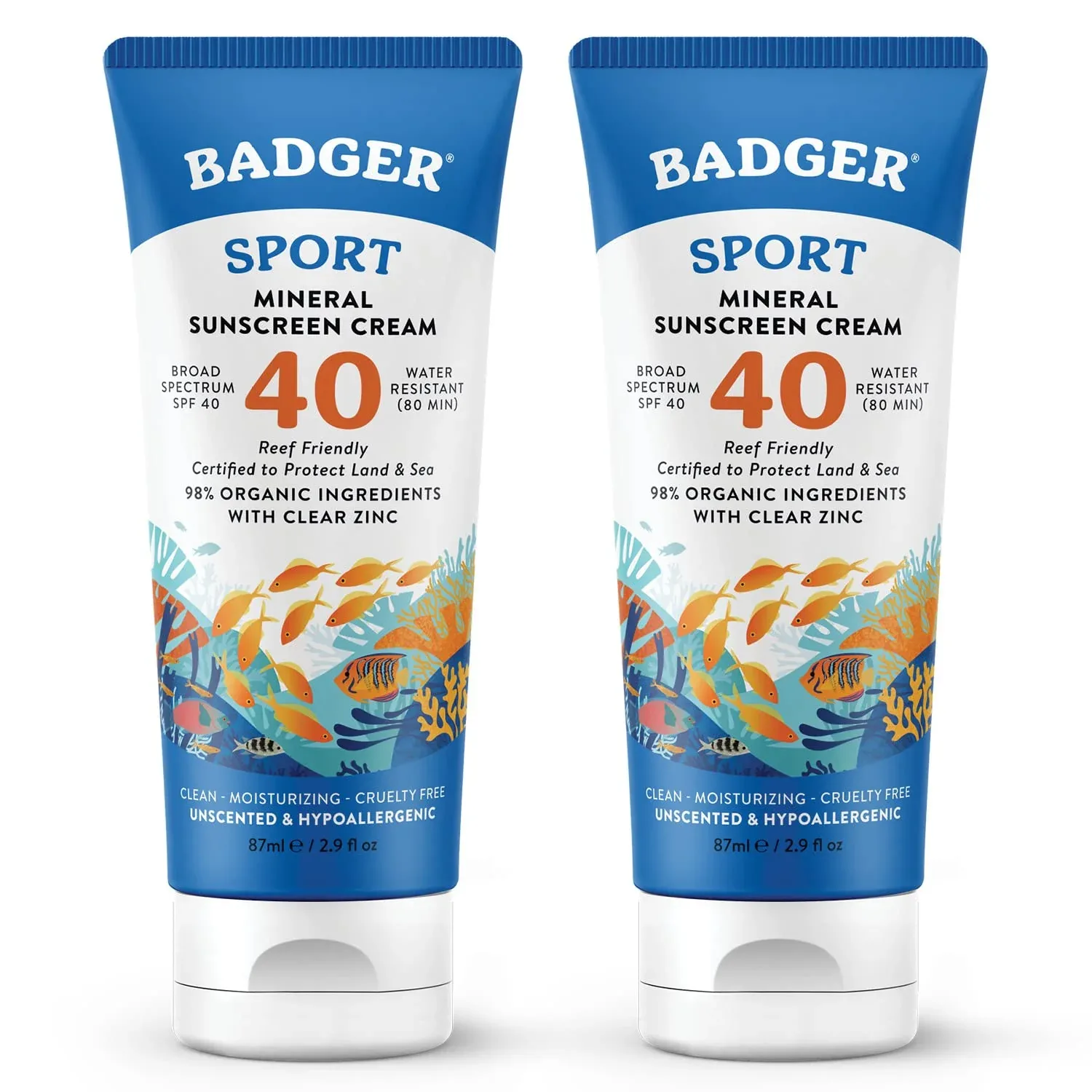
Packing specific items will help you have a comfortable and responsible experience. Please consider the following:
- Reef-safe sunscreen: Standard sunscreens contain chemicals that harm coral. Please choose a mineral-based alternative containing zinc oxide or titanium dioxide.
- Hat and sunglasses: The equatorial sun is strong, especially with reflection off the water.
- Rash guard or t-shirt: This provides sun protection while swimming and reduces the amount of sunscreen you need.
- Waterproof camera: A camera allows you to capture underwater scenery without disturbing marine life.
- KWS Park Fees: KWS marine park entry fees are payable separately and are a direct contribution to local conservation efforts.
Book your Watamu excursion
Choose half day or full day, add guests, and optionally request hotel pickup inside Watamu.