
What to Pack for a Half-Day Watamu Marine Park Boat Trip
A half-day Watamu marine park boat trip requires a packing list of reef-safe sunscreen, polarised sunglasses, a hat, quick-dry clothing, and a reusable water bottle. This list focuses on sun protection, comfort, and compliance with local environmental regulations.
Kenya Wildlife Service (KWS) regulations prohibit all single-use plastics in the marine park. Licensed boat trips provide all sanitised snorkelling masks and fins, so you do not need to pack your own heavy gear. Focusing on these light items ensures a responsible and comfortable experience.
What to Pack for a Watamu Marine Excursion
Packing for a marine safari in Watamu requires practical preparation for the equatorial sun and sea. A small bag should contain items for sun protection, hydration, and personal comfort. Bulky equipment is unnecessary as licensed operators provide all snorkelling and safety gear.
Sun Protection for Equatorial Conditions
The sun on the Kenyan coast is strong, and reflection from the water surface increases UV exposure. A physical barrier like clothing is often more effective than sunscreen alone during extended time in the water.
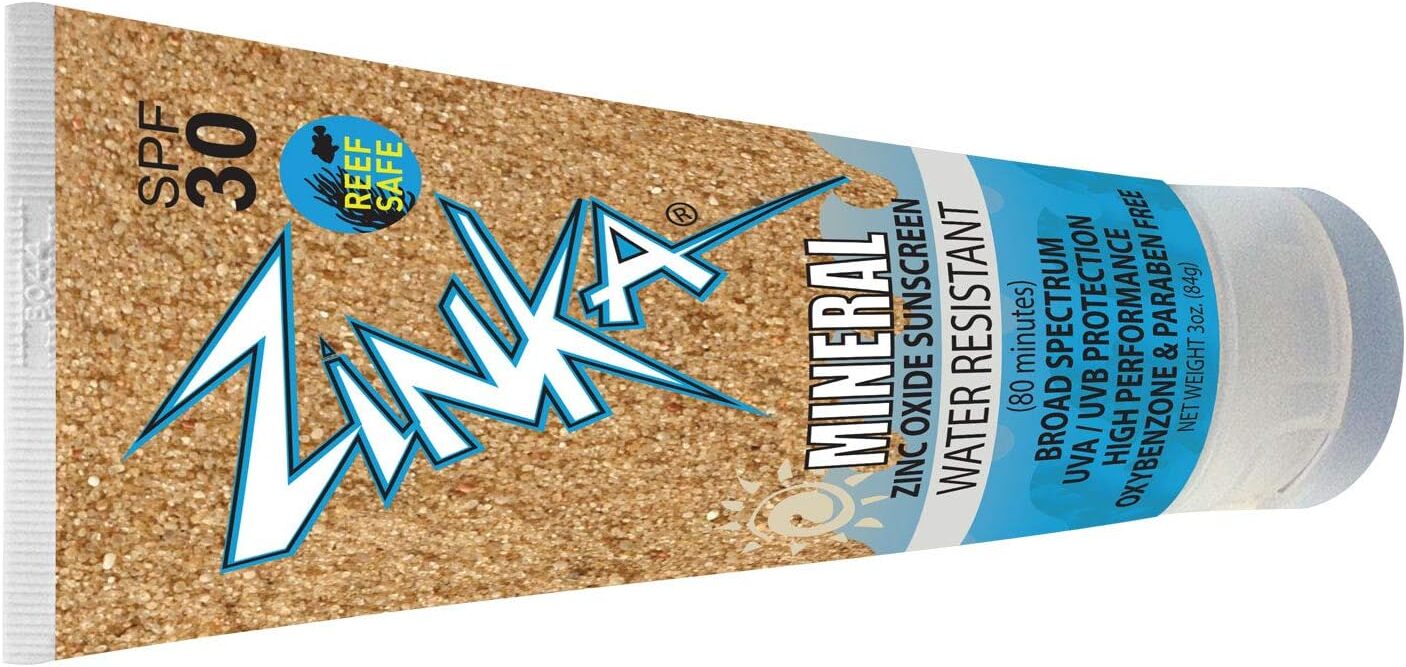
- Reef-Safe Sunscreen (SPF 30+): A mineral-based sunscreen containing zinc oxide or titanium dioxide is required. Sunscreens with oxybenzone or octinoxate damage coral and are not permitted. Apply your sunscreen at least 20 minutes before sun exposure.
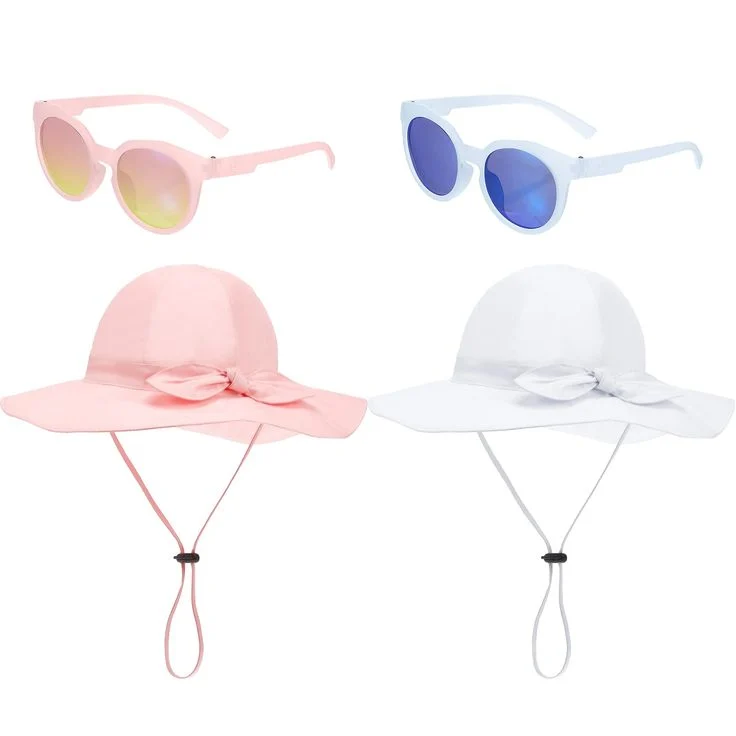
- Wide-Brimmed Hat: A hat with a chin strap provides coverage for your face, neck, and ears and will not blow away on the boat.
- Polarised Sunglasses: These sunglasses reduce glare from the water, which protects your eyes and helps you spot dolphins or turtles from the boat more easily.
- Rash Guard or Long-Sleeved T-shirt: A rash guard offers a reliable physical UV barrier for your back and shoulders while snorkelling and reduces the amount of sunscreen washing into the ecosystem.
Hydration and Post-Snorkel Comfort
Staying hydrated must be done in compliance with strict environmental laws. Bringing a towel makes the boat ride back after swimming more comfortable.
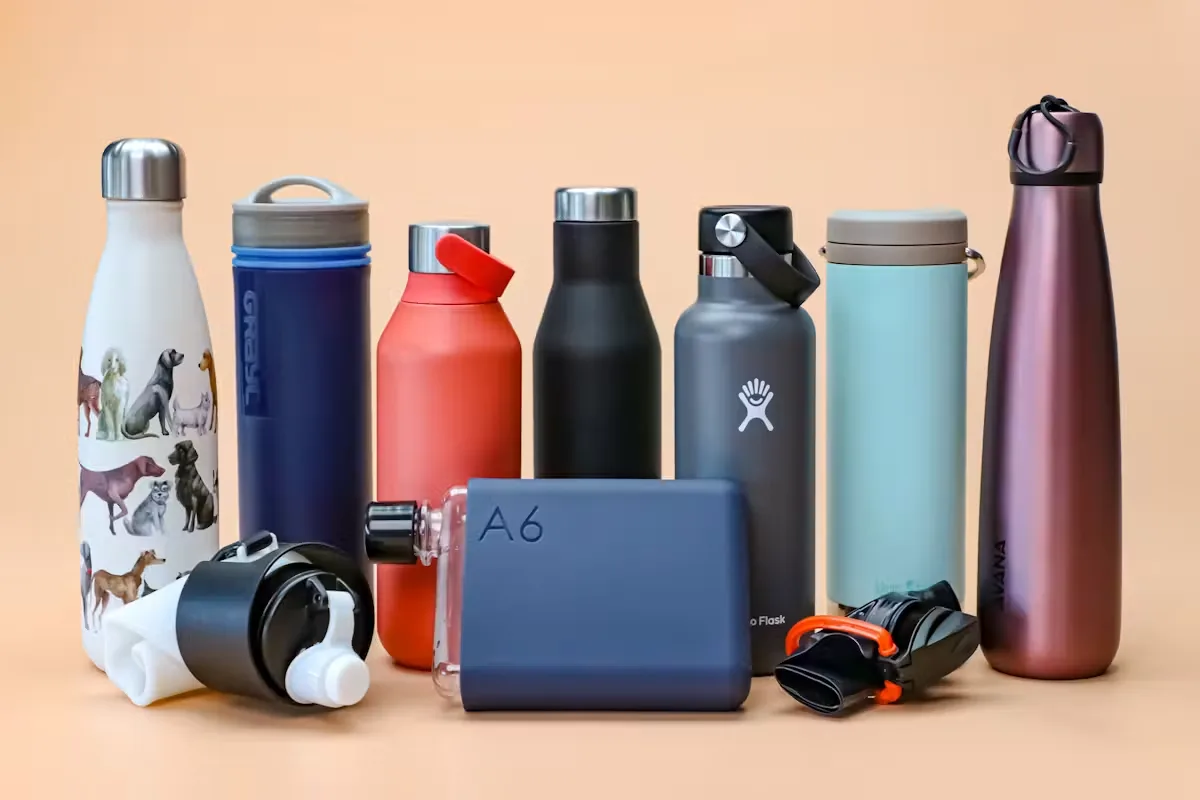
- Reusable Water Bottle: KWS strictly enforces a ban on single-use plastics. You must bring a full, reusable bottle. Our boats carry extra filtered water for refills during the trip.
- Quick-Dry Towel: A lightweight microfibre travel towel is small, absorbent, and dries fast after your swim.
Appropriate Clothing and Footwear
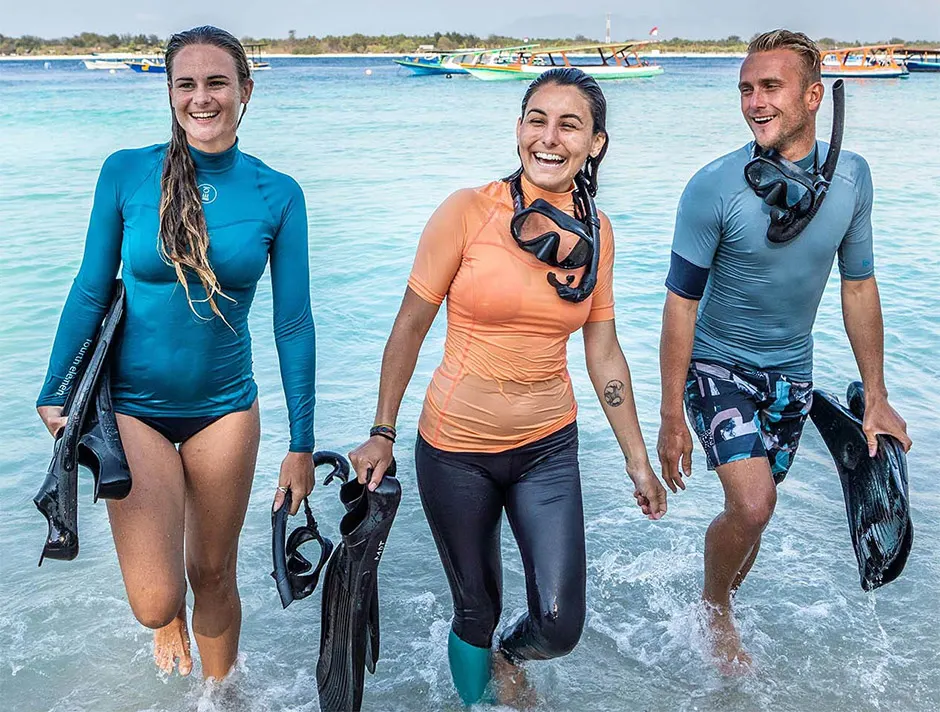
Simple, functional clothing and footwear are best for a day on a boat. All materials should be quick-drying.
- Swimwear: Wear your swimsuit under your clothes so you are ready for snorkelling when the boat reaches the coral gardens.
- Light Cover-Up: A kaftan, sarong, or light shirt protects you from the sun on the boat and can be worn over your swimwear.
- Simple Footwear: Flip-flops, sandals, or water shoes are suitable for the boat. You will be barefoot for most of the trip, so heavy footwear is impractical.
Personal Health and Safety Items
Our boats have a standard first-aid kit, but you must bring any personal medications you require for the trip.
- Personal Medications: Carry any specific medication you need, such as for motion sickness or allergies, in a waterproof bag.
- Small First-Aid Kit: A personal kit with antiseptic wipes and plasters can be useful for minor scrapes, though the crew is equipped with supplies.
Items Prohibited on a Watamu Boat Trip
The Kenya Wildlife Service (KWS) enforces a complete ban on all single-use plastics inside Watamu Marine Park to protect the environment. Prohibited items include plastic water bottles, carrier bags, food wrappers, and plastic straws. KWS rangers can issue fines for non-compliance with these national regulations.
We also discourage bringing your own snorkelling gear. Our equipment is professionally maintained and sanitised for each guest, which saves you from carrying wet, heavy items back to your accommodation. This policy ensures gear quality and guest convenience.
How to Enhance Your Snorkelling and Dolphin Watching
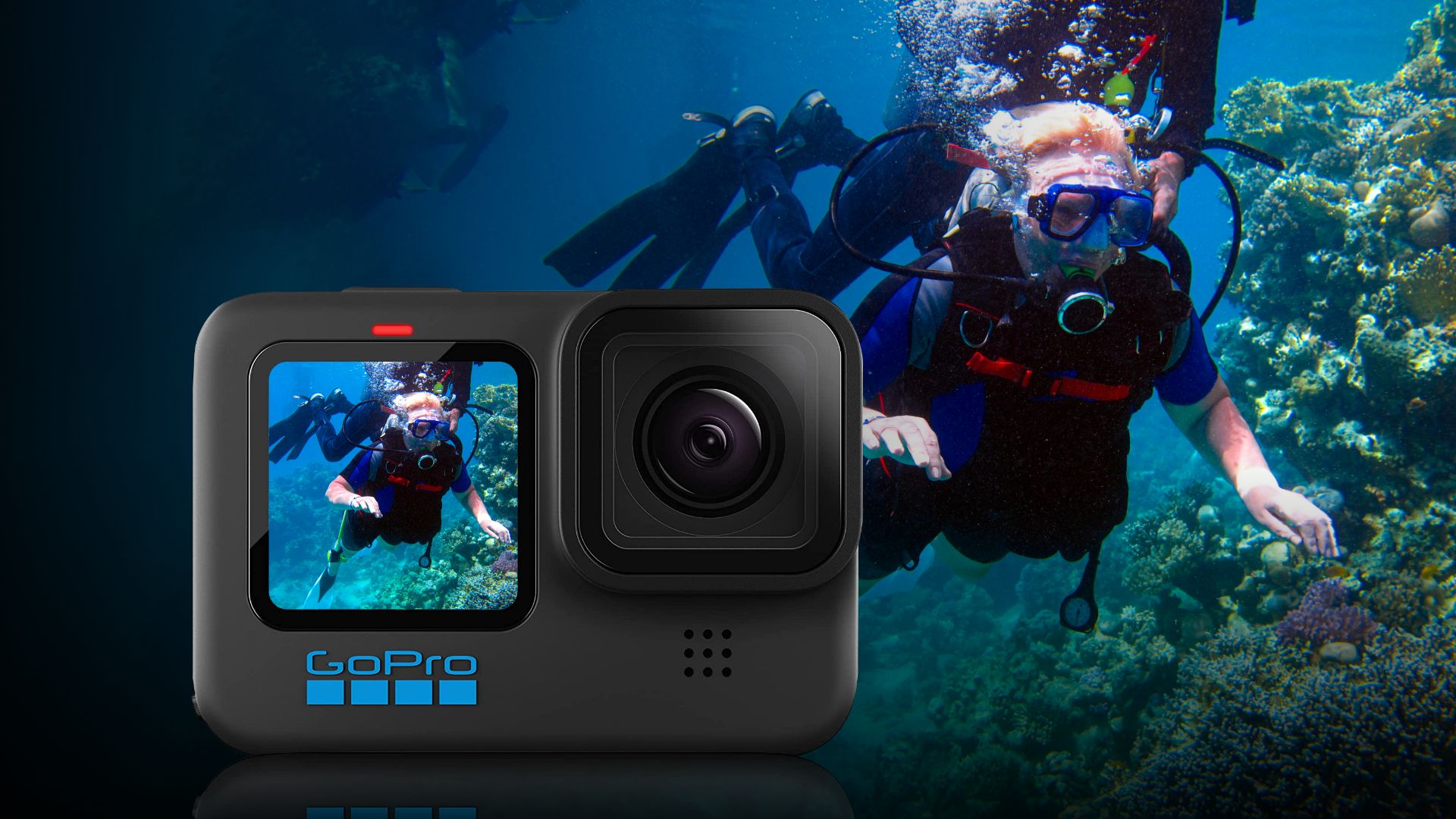
A few extra items can improve your ability to capture memories and view marine life. A waterproof camera or a phone in a high-quality waterproof case lets you document the underwater world without risk to your electronics. An action camera like a GoPro is particularly well-suited for underwater filming.
For dolphin watching, polarised sunglasses are the most effective tool. The lenses cut through the surface glare, making it much easier to see the dolphins as they move through the water. This optical advantage makes a significant difference to the viewing experience from the boat.
Reef-Safe Sunscreen Required in Watamu Marine Park
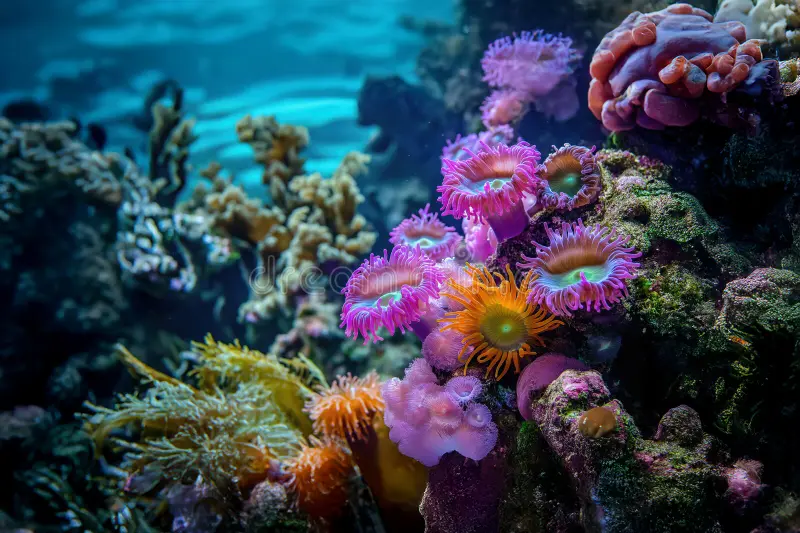
Watamu's coral gardens are a delicate and protected ecosystem. Common chemical sunscreens contain oxybenzone and octinoxate, which are proven to cause coral bleaching, damage coral DNA, and harm marine life. The cumulative effect from thousands of visitors damages the reef.
A "reef-safe" product is a mineral-based sunscreen that uses zinc oxide or titanium dioxide as its active ingredients. Using a reef-safe sunscreen is a direct way for every visitor to contribute to the long-term health of the coral gardens. This choice has a measurable positive impact on the marine park's conservation.
Snorkelling Equipment Provided by Licensed Operators
Booking with a licensed operator means you receive high-quality, convenient equipment. Every official Watamu Marine Excursions boat includes a full range of professionally sanitised snorkelling gear, including masks, snorkels, and fins in multiple sizes. The provision of this gear eliminates the need for you to pack or rent it separately.
Our boats are also equipped with mandatory safety equipment, such as life jackets for all passengers. Using our maintained gear ensures it functions correctly and is appropriate for local sea conditions, allowing you to pack lighter.
How to Protect Electronics and Valuables on the Boat
A waterproof dry bag offers the most effective protection for your phone, camera, and other valuables. These bags create a tight seal to keep belongings dry even if they are submerged. We recommend you bring only necessary valuables on the excursion.
Keep your dry bag secured on the boat and only take out your camera or phone for active use. A wrist strap for any electronic device is a sensible precaution to prevent it from being dropped overboard. This protocol minimises the risk of water damage or loss.
KWS Single-Use Plastic Ban
All visitors must understand the Kenya-wide ban on single-use plastics. KWS enforces this national regulation with particular stringency inside protected areas like Watamu Marine Park. Prohibited items include disposable plastic bottles, plastic bags, cutlery, straws, and food containers.
Park rangers may inspect bags at entry points to ensure compliance. To meet the rules, carry a reusable water bottle, use a canvas bag, and pack any snacks in reusable containers. Adherence to this ban is a legal requirement for all park visitors.
| Item Category | Essential Items | Key Requirement or Reason |
|---|---|---|
| Sun Protection | Reef-safe sunscreen, hat, polarised sunglasses, rash guard | Mandatory mineral-based sunscreen; physical barriers are effective |
| Hydration | Reusable water bottle (full) | KWS single-use plastic ban is strictly enforced |
| Clothing | Swimwear, cover-up, quick-dry towel | Practicality for swimming and sun protection on the boat |
| Footwear | Flip-flops or sandals | Light and easy to remove on board |
| Electronics | Waterproof bag, phone/camera | Protection from water damage is the guest's responsibility |
| Payment | Small amount of Kenyan Shillings (KES) | For optional tips or small purchases; park fees are cashless |
How to Handle Payments and Local Currency
Booking with a licensed operator like Watamu Marine Excursions provides a fixed price agreed upon in advance, which removes the need for haggling. The main trip cost is payable online or via M-Pesa. It is still practical to carry a small amount of Kenyan Shillings (KES) in cash.
Small denominations are useful for tipping your boat captain and crew for good service or for buying a coconut from a designated local vendor upon your return. Using cash for these small transactions is more convenient than using cards or large foreign currency notes.
How to Book a Licensed Watamu Marine Excursion
Always book your marine park boat trip through a reputable channel to guarantee safety, quality, and regulatory compliance. Secure channels include direct website bookings, arrangements through your hotel, or with a company that has a physical office and visible KWS credentials.
Avoid accepting unsolicited offers from individuals on the beach. Licensed operators provide fixed, transparent pricing, properly maintained boats, and experienced captains who respect the marine park rules. This approach ensures a predictable and high-quality experience.
[Book your Watamu marine excursion](https://watamuexcursions.co.ke/watamu-excursions/booking)Understanding Watamu Marine Park Entry Fees for 2026
All visitors must pay a mandatory Kenya Wildlife Service (KWS) daily entry fee, which directly funds conservation efforts. You should confirm with your boat operator if these fees are included in your excursion price or if they must be paid separately.
The KWS park entrance operates a strictly cashless system, accepting only mobile money (M-Pesa) or credit/debit cards. The planned 24-hour single-entry fees for 2026 are:
- Non-Resident Adult: USD 17
- Non-Resident Child/Student: USD 13
- East African Community Resident Adult: KES 300
- East African Community Resident Child/Student: KES 215
- Kenya Citizen Adult: KES 130
- Kenya Citizen Child/Student: KES 125
Most licensed tour packages, including ours, incorporate these park fees into the final price for convenience. Confirming fee inclusion when you book prevents unexpected costs and delays on the day of your trip.