
5 Marine Species You Will Spot Snorkeling in Watamu
Snorkelers in Watamu during 2026 are highly likely to spot Green Sea Turtles, Indo-Pacific Bottlenose Dolphins, and a wide variety of reef fish. Licensed tour operators provide trained local captains who use ethical, no-chase methods for these encounters. This approach supports the long-term conservation of the Watamu Marine National Park.
1. Green Sea Turtles in Watamu
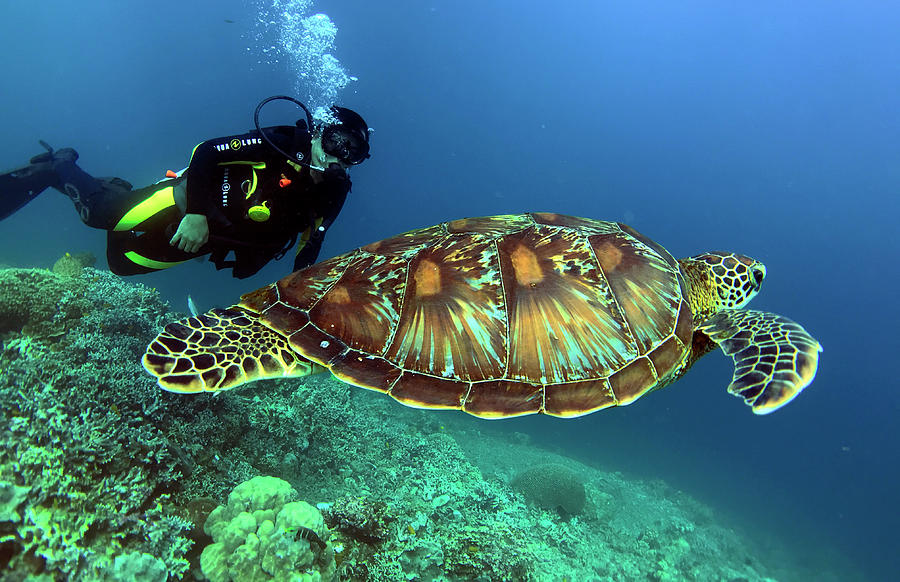
Snorkelers identify Green Sea Turtles by their smooth, heart-shaped carapace which ranges in colour from olive-green to black. The turtles also have a relatively small, non-retractable head. The species' name derives from the colour of its body fat, not from its external shell colour.
Licensed guides locate Green Sea Turtles in specific seagrass beds where the animals graze. Captains maintain a mandated distance from the turtles to avoid disturbing their natural feeding and breathing behaviours. This operational protocol is a condition of licensed tours within Watamu Marine National Park.
2. Indo-Pacific Bottlenose Dolphins
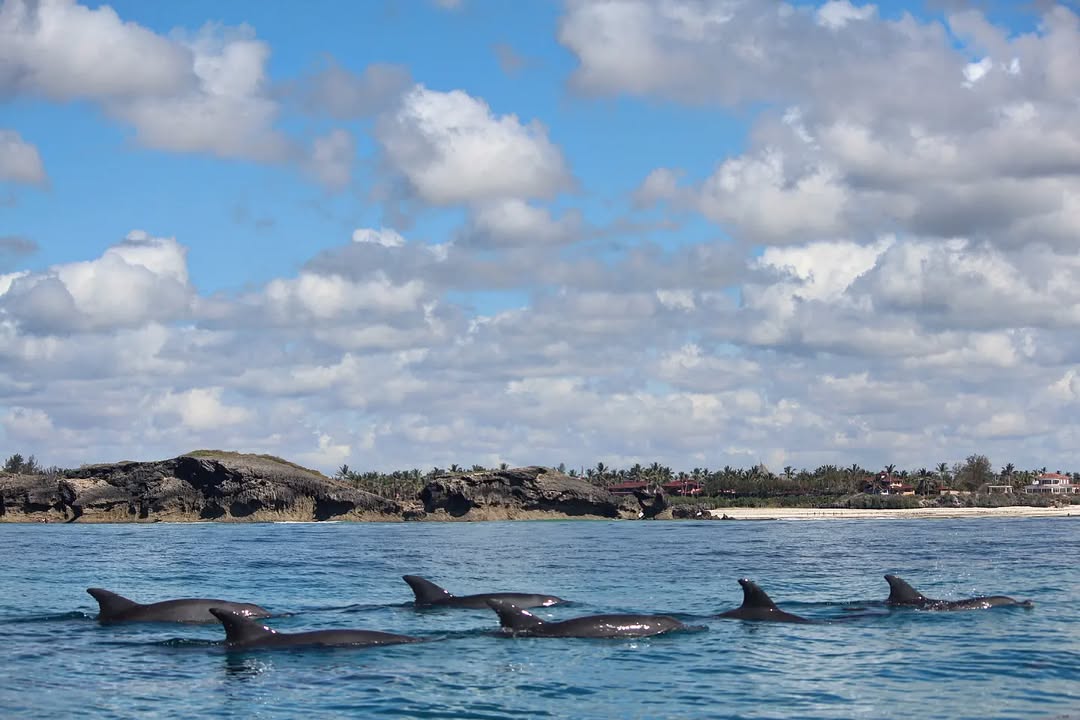
Indo-Pacific Bottlenose Dolphins are identified by their robust, grey bodies, a short snout, and a tall, curved dorsal fin. These dolphins are social animals and travel in groups, known as pods. They are a regular sighting in the channels and open waters surrounding Watamu.
Captains find dolphin pods by observing surface activity and interpreting local current patterns. All licensed boats follow a strict no-chase policy, idling engines at a safe distance to allow the dolphins to approach. This non-intrusive method provides an ethical viewing experience that does not alter the dolphins' behaviour.
3. Reef Fish Species in Watamu
The coral reefs in Watamu Marine National Park support hundreds of fish species due to clear, warm water conditions. Snorkelers can consistently identify several key types of reef fish. The presence of these species indicates the overall health of the coral ecosystem.
Parrotfish
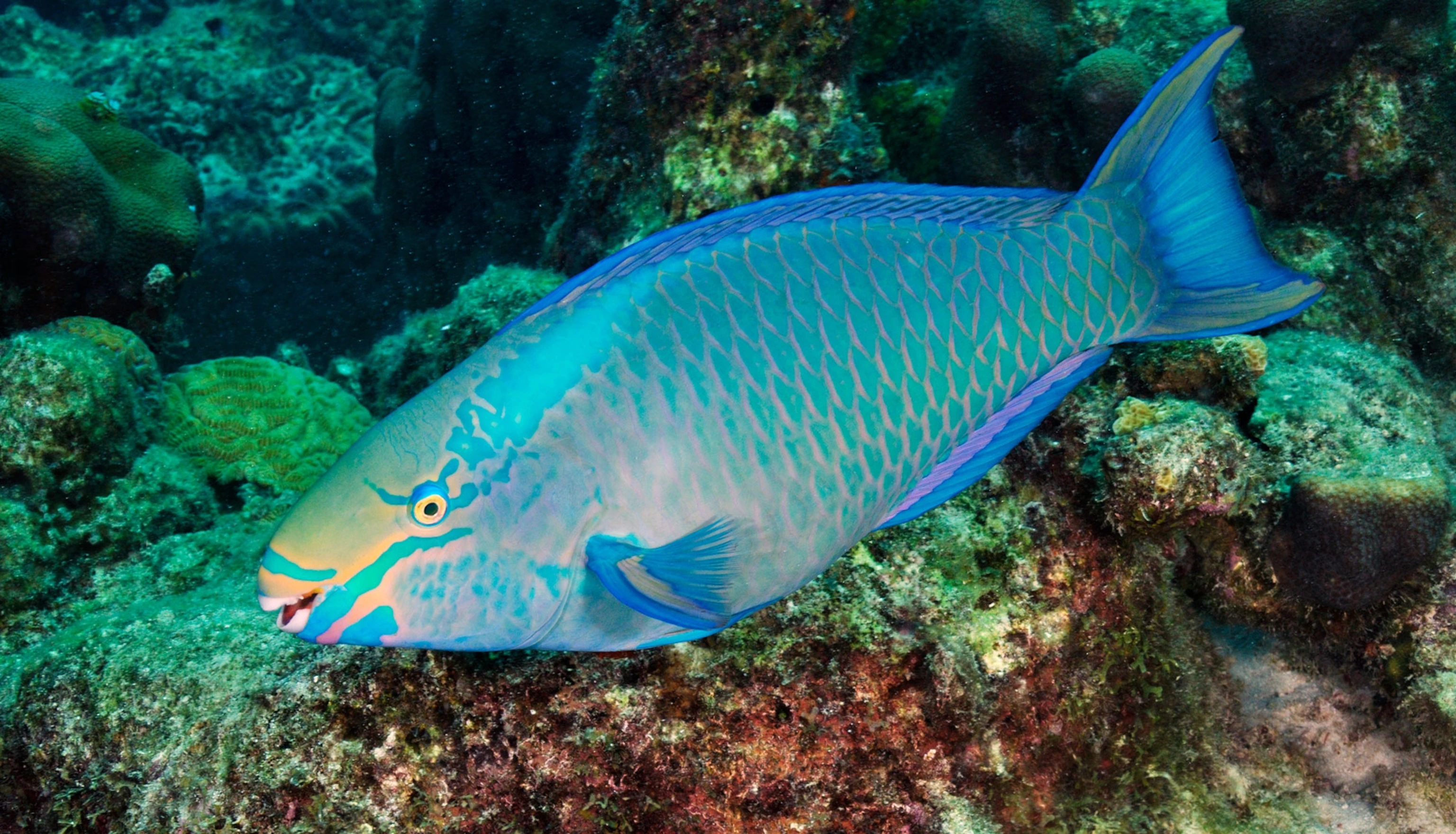
Parrotfish are recognised by their beak-like mouths used to scrape algae from coral and their brightly coloured scales in shades of blue, green, and pink. Parrotfish feeding behaviour is a critical part of the reef's natural cleaning process.
Surgeonfish
Surgeonfish are named for the sharp, scalpel-like spines at the base of their tails and are often seen in shoals. The Blue Tang, a type of surgeonfish, is recognisable for its distinct blue body and yellow tail.
Clownfish
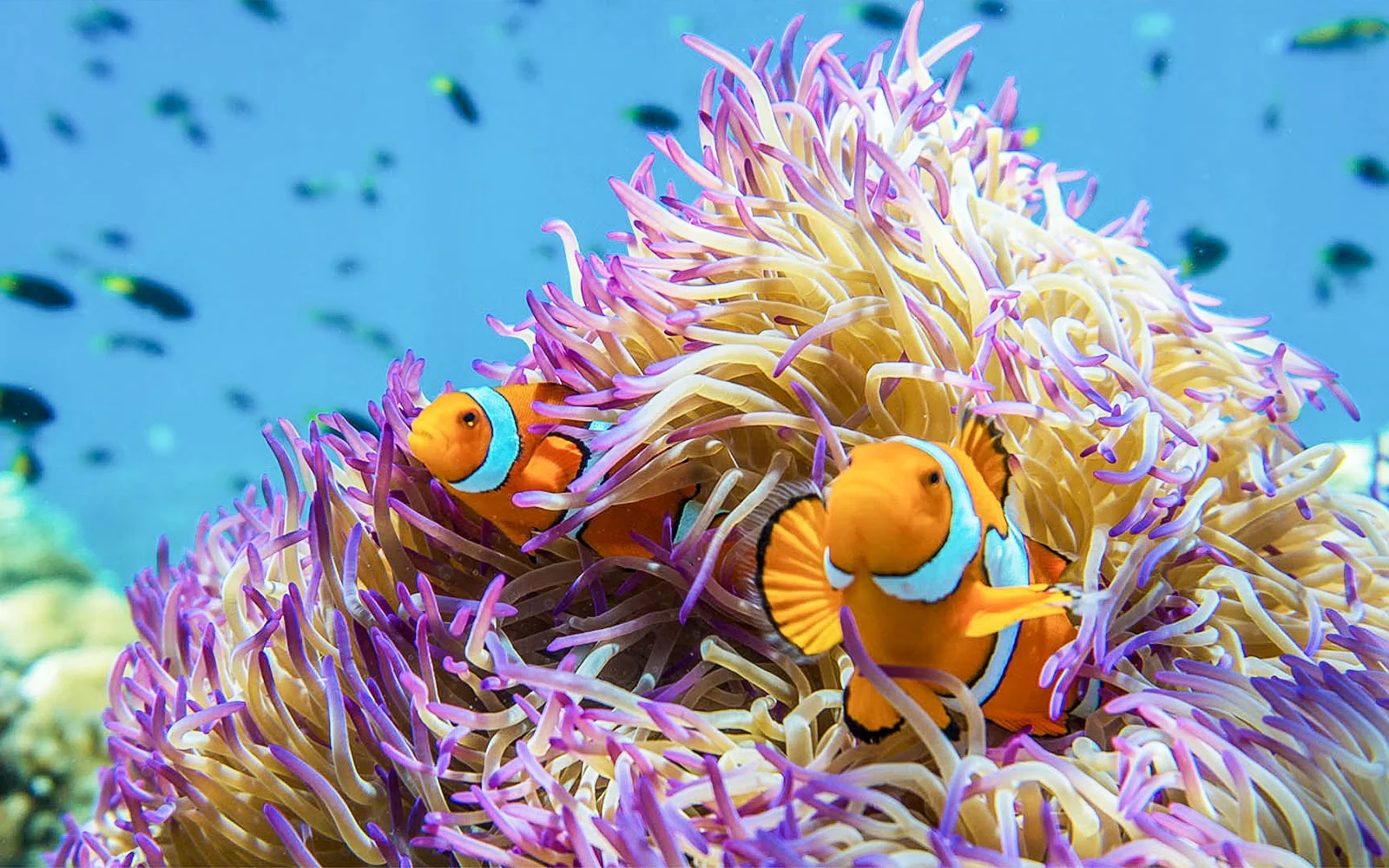
Clownfish live among the tentacles of sea anemones. These small, bright orange and white-striped fish have a symbiotic relationship with their host anemone, which protects them from predators.
4. Juvenile Reef Shark Sightings Mean for Watamu in 2026
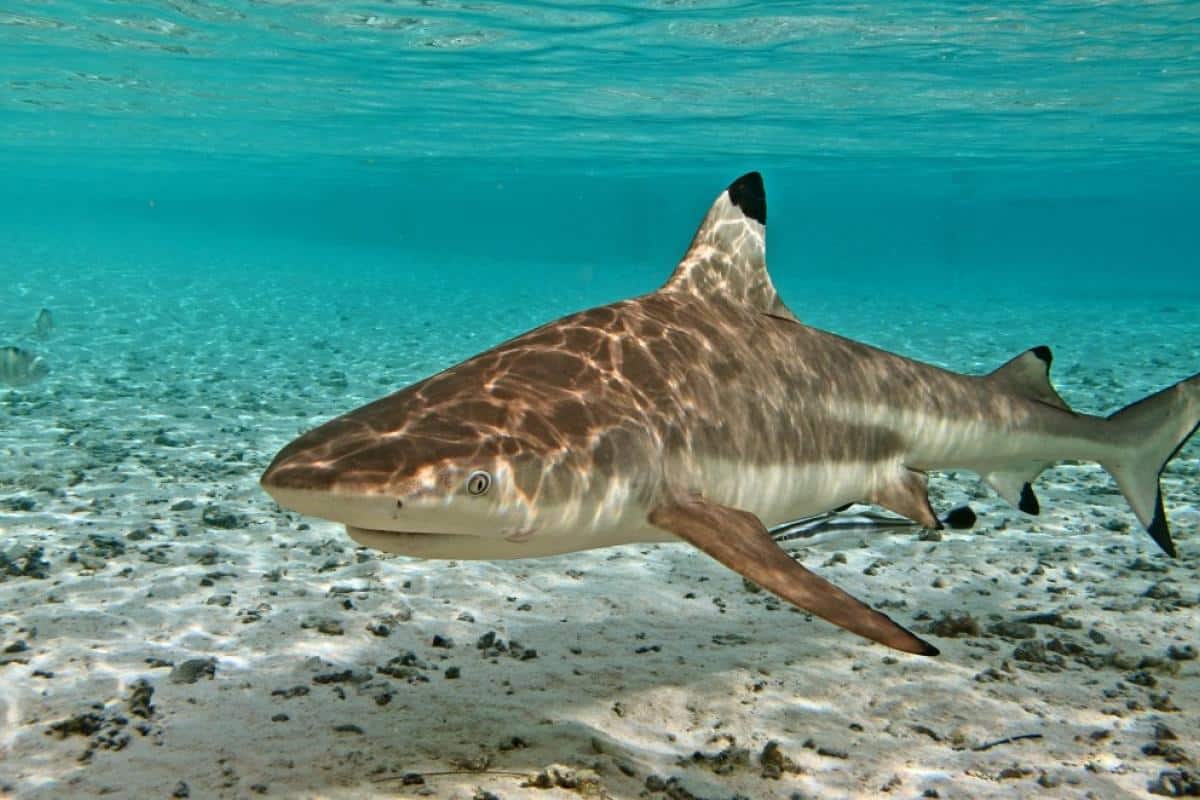
Increased sightings of juvenile reef sharks in Watamu's protected zones in 2026 indicate a healthy and recovering marine ecosystem. The most common species seen are young Blacktip and Whitetip reef sharks. Snorkelers can identify them by their slender bodies, which are typically under one metre long, and the specific markings on their dorsal fins.
These young sharks inhabit shallow reef areas that function as nurseries. Their increasing population is a direct result of the park's protection and local conservation efforts. This trend specifically demonstrates the success of sustainable marine management practices within the park boundaries.
5. Giant Moray Eels on the Reef
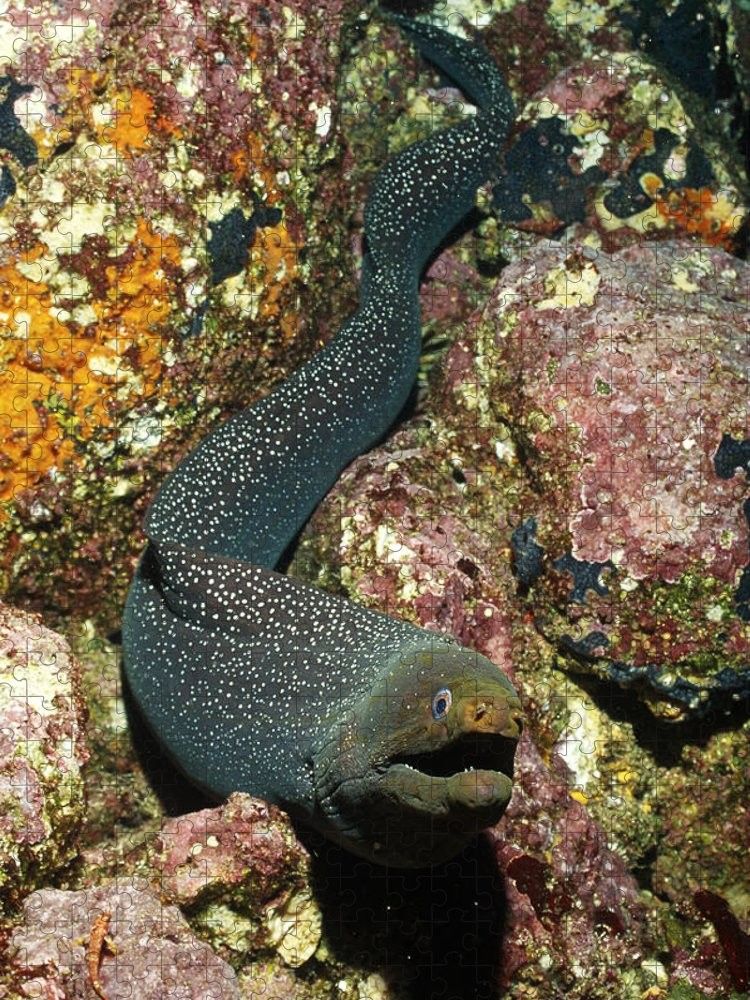
Giant Moray Eels are identified by their thick, snake-like bodies and a skin pattern of dark spots on a yellowish-brown background. Snorkelers typically see only the eel's head, as the rest of its body remains in a crevice. The species can grow to a significant size within the reef structure.
Giant Moray Eels are shy and typically hide in crevices and holes in the coral. An open mouth is part of their natural breathing process and is not a sign of aggression. Licensed guides can point out their locations, as the eels pose no threat if observed from a distance.
How Do Watamu Local Guides Ensure Responsible Wildlife Viewing
Responsible wildlife viewing in Watamu is ensured through mandatory Kenya Wildlife Service (KWS) certification for all guides. This certification is combined with a strict code of conduct that prioritises observation over interaction. The guides' training in marine biology and park regulations informs all on-water decisions.
No-Chase Policy for Dolphins and Turtles
Boats do not pursue dolphins or turtles. Guides use their knowledge of animal behaviour to anticipate a travel path, positioning the boat at a respectful distance to let the animals choose to approach. This method ensures a natural, non-stressful encounter.
Safe Distances from Marine Life
Captains maintain a regulated distance from wildlife, particularly from turtles surfacing for air, to ensure their path is never blocked. For snorkelers, this means observing from the surface and not diving down to touch an animal.
No-Touch and No-Feeding Rules
Guides brief all guests that touching coral can kill the living polyps and feeding fish disrupts the reef ecosystem. These rules are non-negotiable and enforced for the long-term health of the marine park.
This conservation-focused approach provides a reliable viewing experience and directly supports the sustainability of Watamu’s marine ecosystem.
What is the Best Time of Year for Marine Wildlife Spotting in Watamu
The best wildlife sightings in Watamu correlate with calm sea conditions and high water clarity. The two main dry seasons, November to March and July to October, provide the most reliable conditions for snorkeling. Underwater visibility is typically highest during these two periods.
Daily tide cycles and weather also affect snorkeling. High tide provides safer access over coral, and early mornings usually have less wind. Migratory species have specific seasons; Whale Sharks, for example, are most often seen from December to February.
What Snorkeling Gear is Required in Watamu
Licensed tours provide all required snorkeling equipment. Guests should still understand the function of each piece of gear for a safe and comfortable trip. The following items are standard issue on a licensed Watamu boat tour:
- Mask, Snorkel, and Fins: A well-fitting mask is required for clear underwater viewing. Standard sets are provided, but guests may bring their own.
- Sun Protection: A long-sleeved rash guard is recommended for sun protection against the equatorial sun. Any sunscreen used must be a reef-safe formula.
- Waterproof Camera: An underwater camera or waterproof phone case can be used to document the marine life.
All licensed boat excursions in Watamu include clean, high-quality snorkeling gear for every guest. Bringing personal gear is an option based on individual preference, not a requirement for the tour.
How to Book a Licensed Snorkeling Tour in Watamu
Booking a marine tour with a licensed operator ensures a safe and ethical trip with fixed pricing and a confirmed itinerary. Online booking systems provide transparency by detailing all inclusions and costs upfront. This system removes the need for beach-side haggling.
A standard half-day snorkeling package includes the boat, a KWS-licensed captain, a guide, snorkeling gear, and drinking water. The mandatory Watamu Marine National Park entry fee is a separate cost paid directly to the Kenya Wildlife Service. Booking through a licensed operator confirms your trip supports environmental welfare and safety protocols. [Book a Watamu marine excursion online]
| Feature | Detail | Note |
|---|---|---|
| Best Seasons | Nov-Mar & Jul-Oct | Calmest seas and best visibility. |
| Trip Duration | Half-day (approx. 4 hours) | Standard for most snorkeling tours. |
| Key Sightings | Turtles, Dolphins, Reef Fish | Subject to daily conditions. |
| Included Gear | Mask, Snorkel, Fins | Provided by all licensed operators. |
| Park Fees | Paid separately to KWS | Mandatory for all visitors. |
What Are the Watamu Marine National Park Rules for Snorkelers
All visitors must follow the regulations set by the Kenya Wildlife Service (KWS) inside the Watamu Marine National Park. These rules exist to protect the marine ecosystem. The primary regulations for snorkelers are as follows:
- No Touching or Standing on Coral: Coral is a living organism and is damaged by physical contact.
- Do Not Feed or Disturb Marine Life: Feeding fish or chasing turtles disrupts natural behaviours and the ecosystem.
- Take All Rubbish With You: No waste should be left in the park. All rubbish must be returned to shore.
- Pay Park Entry Fees: All visitors must pay the mandatory entry fee directly to KWS officials before entering the park.
Adherence to these KWS guidelines is a condition of entry and helps maintain the health of this protected marine habitat.