
What to wear on a Watamu glass bottom boat or snorkeling trip
The key to what to wear on a Watamu boat trip is a swimsuit under lightweight, quick-drying clothes, a long-sleeved rash guard for sun protection, and water-friendly sandals. This combination prepares you for both sun and sea during your 2026 tour of the Watamu Marine National Park.
Changing rooms are available at the Kenya Wildlife Service (KWS) gate where you meet our licensed captains. This facility allows you to change into swimwear before the trip and into dry clothes afterwards.
Essential Clothing for Your Watamu Snorkeling Trip
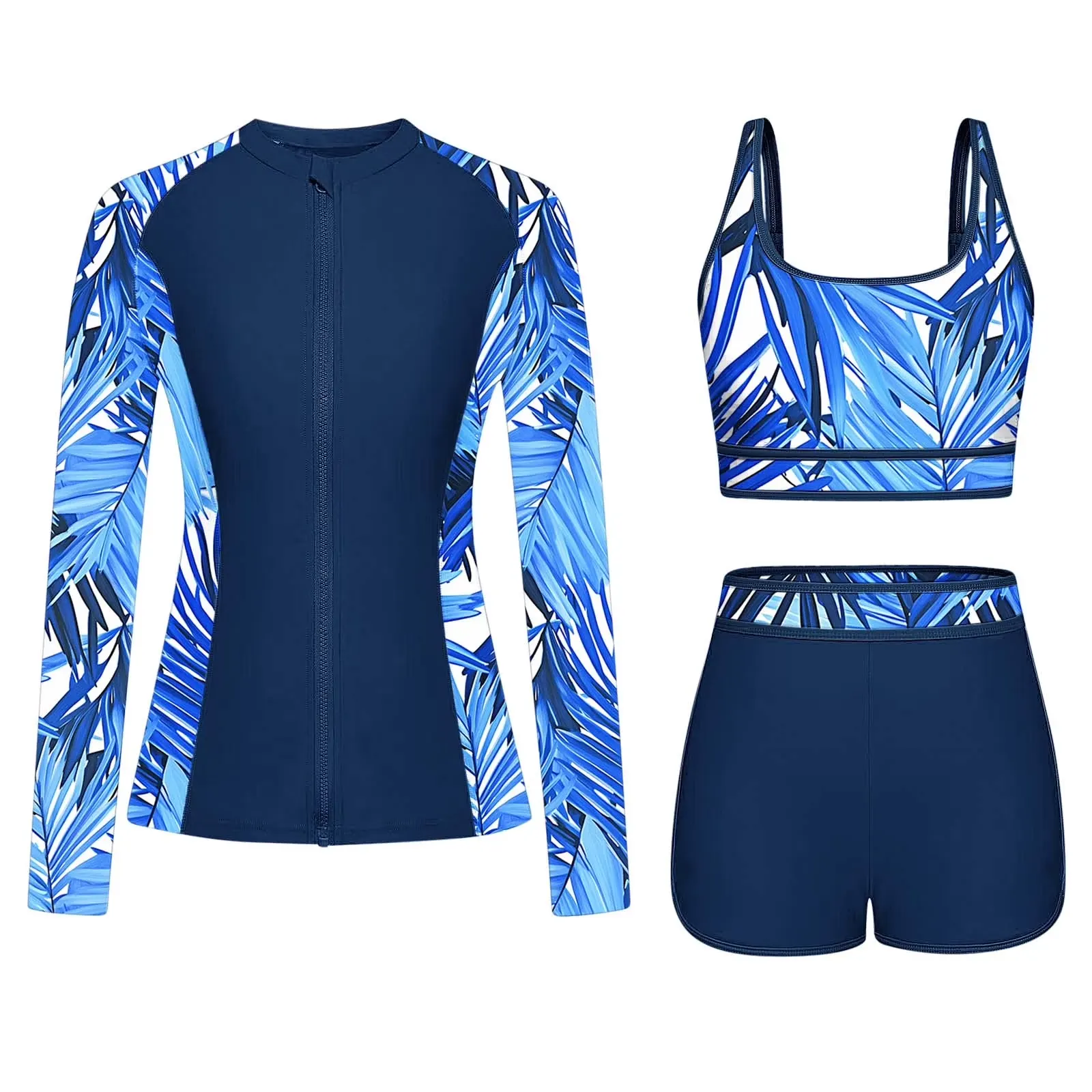
Layering with appropriate materials is the core principle for dressing for a Watamu boat trip. Your swimsuit or trunks should be the base layer, allowing you to be ready for snorkeling or swimming instantly.
Wear light, loose-fitting clothes over your swimwear. Quick-drying fabrics such as polyester or nylon perform better than cotton, which stays heavy and wet in coastal humidity.
A pair of shorts and a light t-shirt, kaftan, or sarong are ideal choices for comfort on the boat. These items provide cover while moving to and from the marine park.
A long-sleeved rash guard is a highly practical item for sun protection. A rash guard offers UPF protection both in and out of the water and dries significantly faster than a standard cotton t-shirt.
Sun Protection Needed for a Watamu Boat Excursion
The equatorial sun in Watamu is strong, and reflection from the water intensifies its effects. Clothing provides your first and most reliable line of defence against sunburn on any marine excursion.
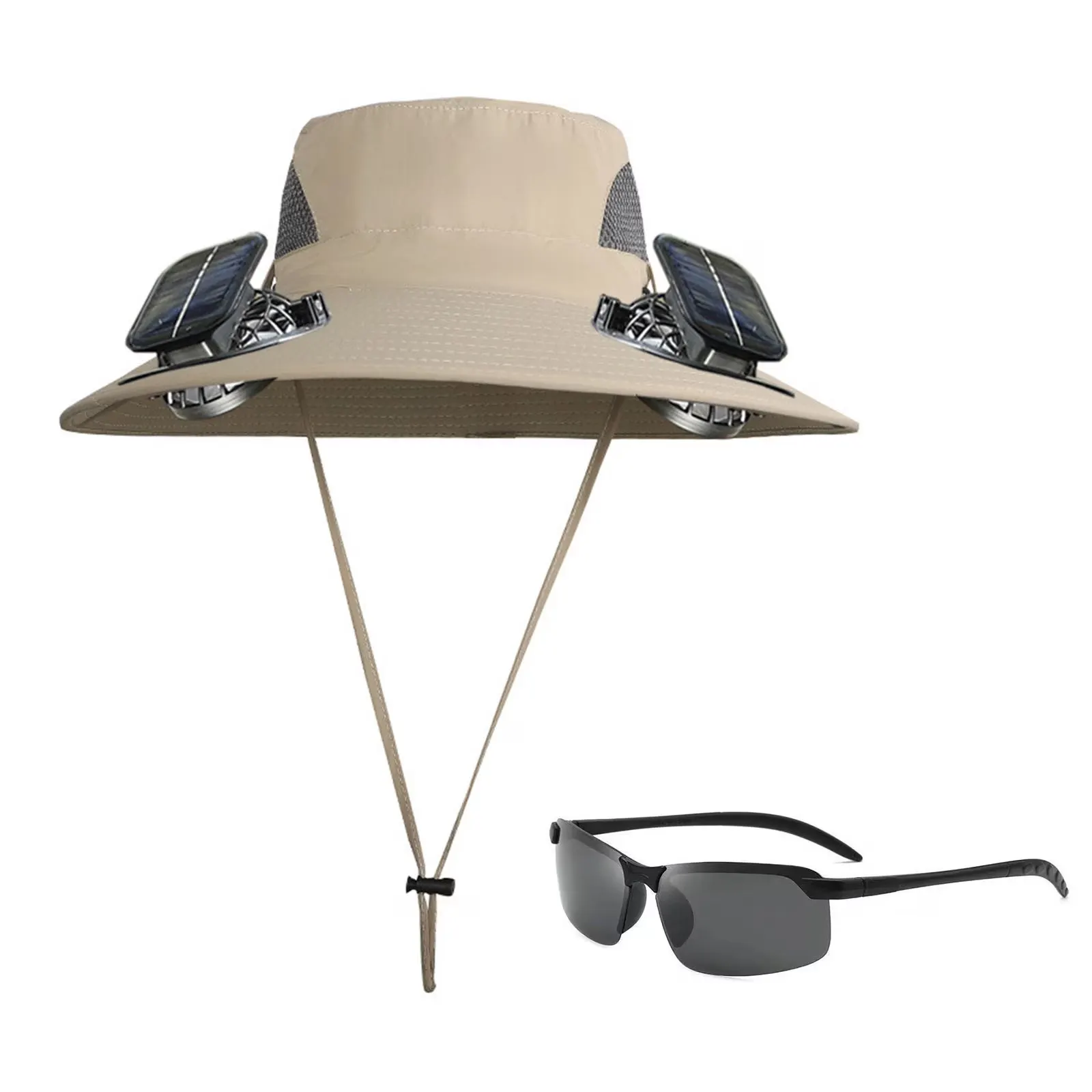
A wide-brimmed hat with a chin strap protects your face, ears, and neck from the sun. The chin strap prevents the hat from blowing away in the sea breeze.
Polarised sunglasses are necessary to protect your eyes from the intense glare off the ocean's surface. These glasses reduce eye strain and improve visibility.
Apply a high-SPF, broad-spectrum, reef-safe sunscreen at least 20 minutes before your trip. You must choose a reef-safe formula to protect Watamu's coral ecosystems, and remember to reapply the sunscreen after swimming.
Best Footwear for a Watamu Boat Trip
The best footwear for a Watamu boat trip handles both water and sand. Water-friendly sandals, durable flip-flops, or specific water shoes are practical choices. This type of footwear can get wet without damage, provides grip on the boat deck, and is easy to remove for snorkeling.
Avoid wearing trainers, socks, or any heavy, closed-toe shoes. These items become waterlogged and filled with sand, making them uncomfortable for the trip. Practical footwear should transition easily from the boat to the water.
Changing Facilities at Watamu Marine Park KWS Gate
Changing rooms and basic toilets are available at the main KWS gate of the Watamu Marine National Park. Our captains meet you at this location, which is also where you pay your park entry fees before boarding the boat.
The KWS facilities let you change into swimwear before the trip and back into dry clothes afterwards. This logistical advantage provides comfort for families or those not staying in beachfront accommodation, as you can rinse off saltwater before leaving the park.
Non-Clothing Items to Pack for a Watamu Boat Trip
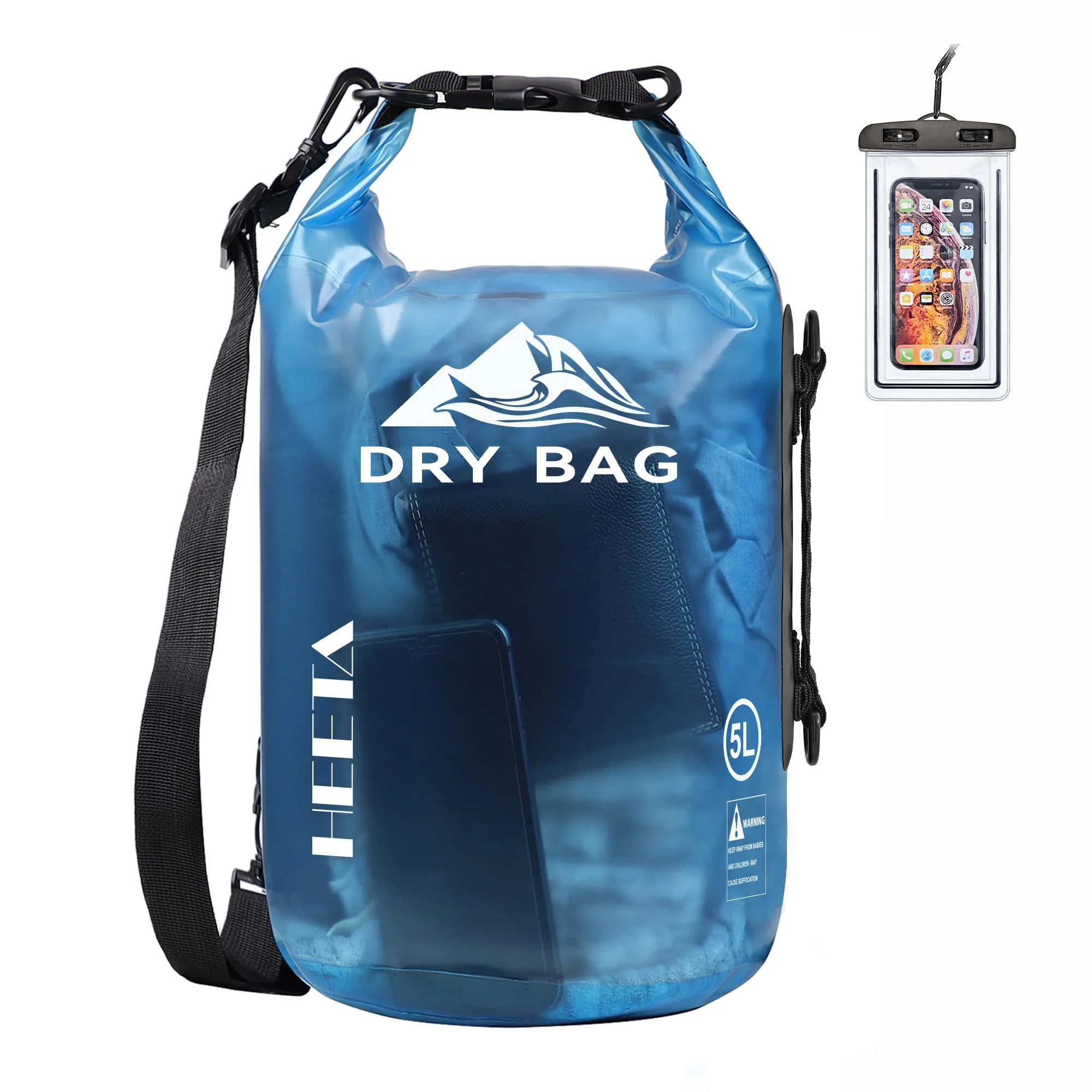
Packing a small day bag with these key items will improve your comfort and safety during the boat trip.
- Waterproof Dry Bag: A small dry bag protects your phone, camera, and other valuables from splashes and spray while on the boat.
- Quick-Drying Towel: A compact microfibre travel towel dries you off quickly after snorkeling and will not stay damp in your bag.
- Reusable Water Bottle: The Kenyan sun is strong, and staying hydrated is important. Bring a full bottle of water for the trip.
- Small First-Aid Kit: A basic kit should include waterproof plasters for minor coral scrapes, antiseptic wipes, and seasickness medication.
- Cash for Park Fees: You must bring enough Kenyan Shillings in cash to pay the mandatory Kenya Wildlife Service (KWS) park entry fees at the gate.
Watamu Boat Trip Packing Checklist
| Item | Primary Purpose | Key Feature |
|---|---|---|
| Rash Guard (Long-Sleeved) | Sun & Coral Protection | Quick-drying, UPF fabric |
| Water-Friendly Sandals | Footwear | Non-slip, handles sand/water |
| Wide-Brimmed Hat | Sun Protection | Must have a chin strap |
| Reef-Safe Sunscreen | Sun Protection | Protects marine ecosystems |
| Waterproof Dry Bag | Valuables Protection | Keeps electronics safe from spray |
What Not to Wear on a Kenya Marine Excursion
Avoid bringing impractical or risky items on your boat trip in Watamu. Heavy fabrics like denim or thick cotton absorb water, become heavy, and will not dry during the excursion.
Leave valuable or sentimental jewellery, such as rings or delicate necklaces, at your hotel. These items can be lost in the water while swimming or snorkeling.
Protect expensive, non-waterproof electronics by securing them in a reliable dry bag. Exercise caution with such items when on the water.
A modest cover-up, such as a sarong or t-shirt, is respectful when walking through public areas before or after your boat trip. This applies to entering shops or restaurants near the marine park.
Does Attire Differ for Glass-Bottom Boat and Snorkeling Trips?
The core attire for glass-bottom boat tours and snorkeling trips is very similar. Both activities require a focus on sun protection and comfort. For a glass-bottom boat trip where you do not enter the water, a rash guard is less necessary, but lightweight clothing over a swimsuit is still recommended for the heat.
For a dedicated snorkeling trip, personal attire directly impacts comfort in the water. Licensed operators provide masks, snorkels, and fins. A well-fitting swimsuit and long-sleeved rash guard prevent sunburn and minor coral scrapes. A hat, sunglasses, and reef-safe sunscreen are necessary for both types of tours.
How to Secure Hats and Sunglasses on a Boat Trip
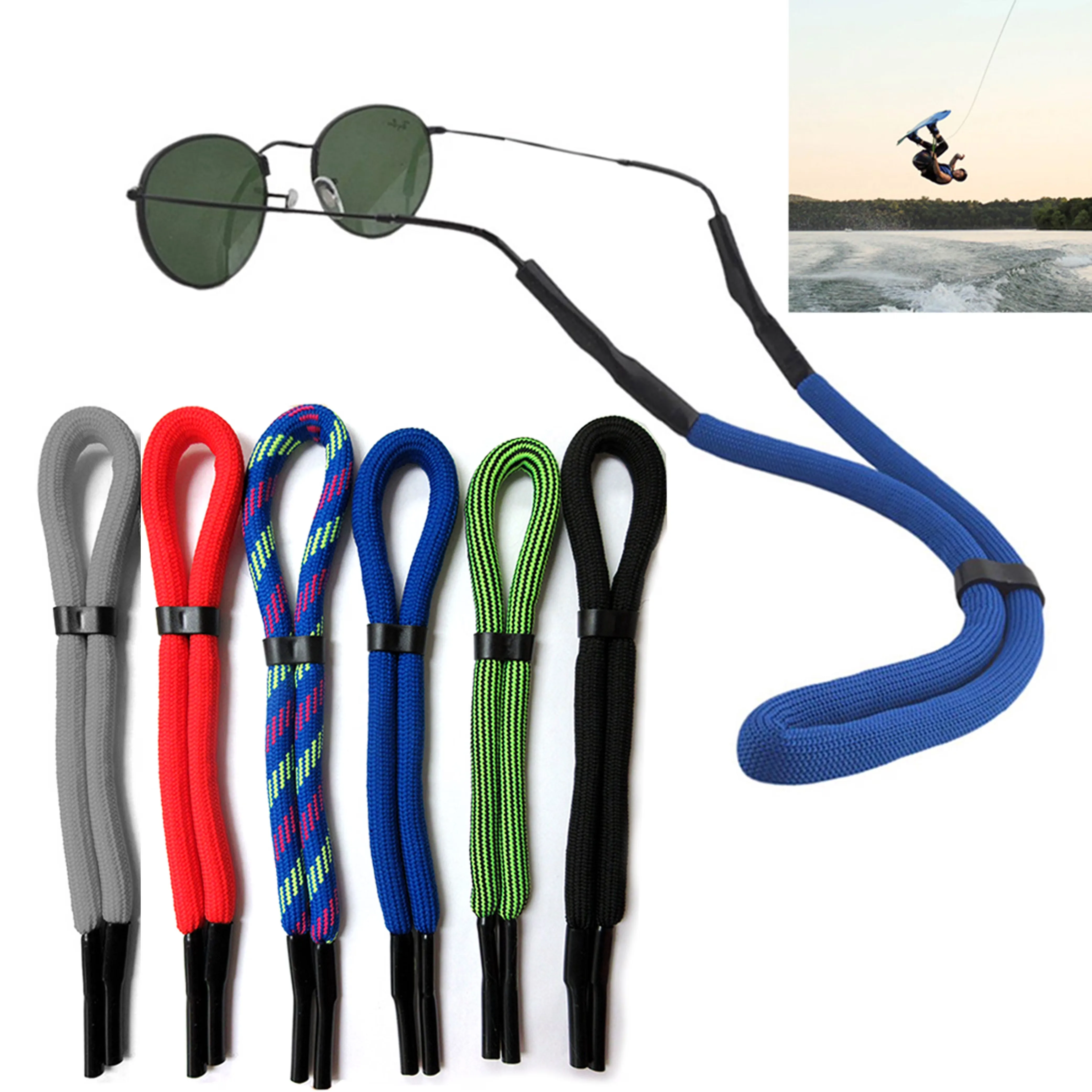
Use physical retainers to prevent the sea breeze from blowing your hat or sunglasses overboard. A hat should have an adjustable chin strap or a clip that attaches to your collar.
A floating retainer strap or lanyard is the best way to secure sunglasses. These straps keep glasses around your neck or ensure they float if they fall into the water.
Why Book a Watamu Boat Trip with a Licensed Captain?
Booking your trip with a licensed operator ensures a safe, reliable, and ethical marine experience. Licensed captains are registered with the KWS, follow park regulations, and carry proper safety equipment. This official booking method also provides fixed, transparent online pricing without any haggling.
Informal vendors, or "beach boys," may not meet the official licensing, insurance, and safety standards of registered park partners. Using an established online booking platform guarantees a professional crew, a well-maintained boat, and adherence to KWS safety protocols.
How Tides and Seasons Affect a Watamu Boat Trip
The quality of a boat trip in Watamu depends on tides and seasons. Tides have the greatest daily impact on visibility. Trips are best at low tide when the water is shallower, calmer, and clearer for viewing coral. Our captains schedule all excursions to align with these optimal tidal conditions.
Sea conditions in Watamu vary seasonally. October to March typically provides the calmest seas and best water clarity. The "kusi" windy season, from June to September, can bring choppier water. Dolphin watching is possible year-round, but checking with the operator about current conditions sets correct expectations.
Book your Watamu excursion
Choose half day or full day, add guests, and optionally request hotel pickup inside Watamu.