
What to do if you get seasick during a Watamu boat excursion
Licensed captains advise taking motion sickness medication before arriving at the beach to prevent and manage Watamu boat excursion sea sickness. This proactive step is the most effective method for ensuring a comfortable trip. The water inside the main coral reef, where most activities occur, is generally calm, but this preparation is still recommended for all passengers.
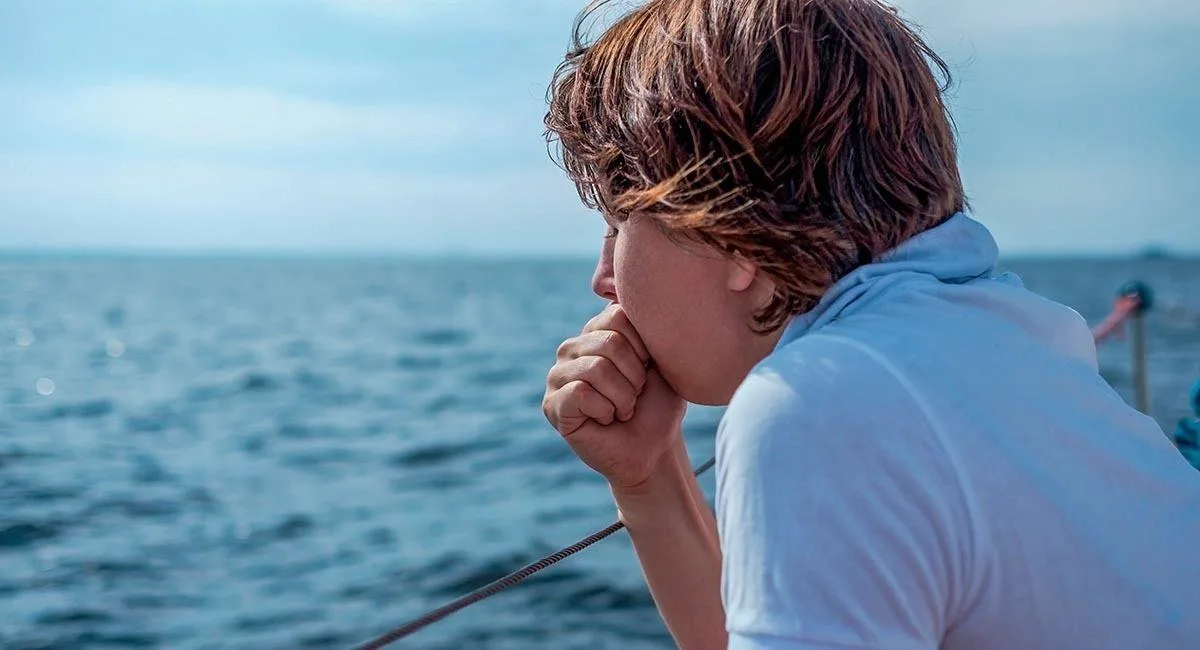
Effective Motion Sickness Medications for Kenya Travel
Over-the-counter antihistamines with anti-emetic properties effectively prevent motion sickness for most travellers in Kenya. Common options include Dimenhydrinate (Dramamine) and Meclizine (Bonine), which work by blocking nerve signals from the inner ear to the brain's vomiting centre. Drowsiness is a potential side effect of these medications.
A doctor can prescribe a Scopolamine patch for severe motion sickness. A passenger applies this patch to the skin behind the ear hours before travel for a steady dose of medication. Travellers should always consult a pharmacist or doctor if they have pre-existing health conditions before taking any new medication.
Natural Remedies to Prevent Seasickness on a Watamu Boat Trip
Several non-pharmaceutical methods can help prevent seasickness by managing sensory input and settling the stomach. These natural remedies and practical tips can supplement or replace medication for some individuals.
- Ginger: Consuming ginger as sweets, capsules, or warm tea before the trip helps reduce nausea.
- Acupressure Bands: Elasticated wristbands like Sea-Bands apply pressure to the Nei-Kuan point on the inner wrist, providing drug-free relief for many users.
- Focus on the Horizon: Staring at a stable, distant point on the horizon helps the brain reconcile the conflict between visual input and inner-ear motion sensors.
- Fresh Air and Light Meals: Eat a light, bland meal before your trip and avoid heavy or greasy foods. Staying on the open deck for fresh air is preferable to being in an enclosed cabin.
How the Watamu Reef Affects Sea Conditions and Sickness
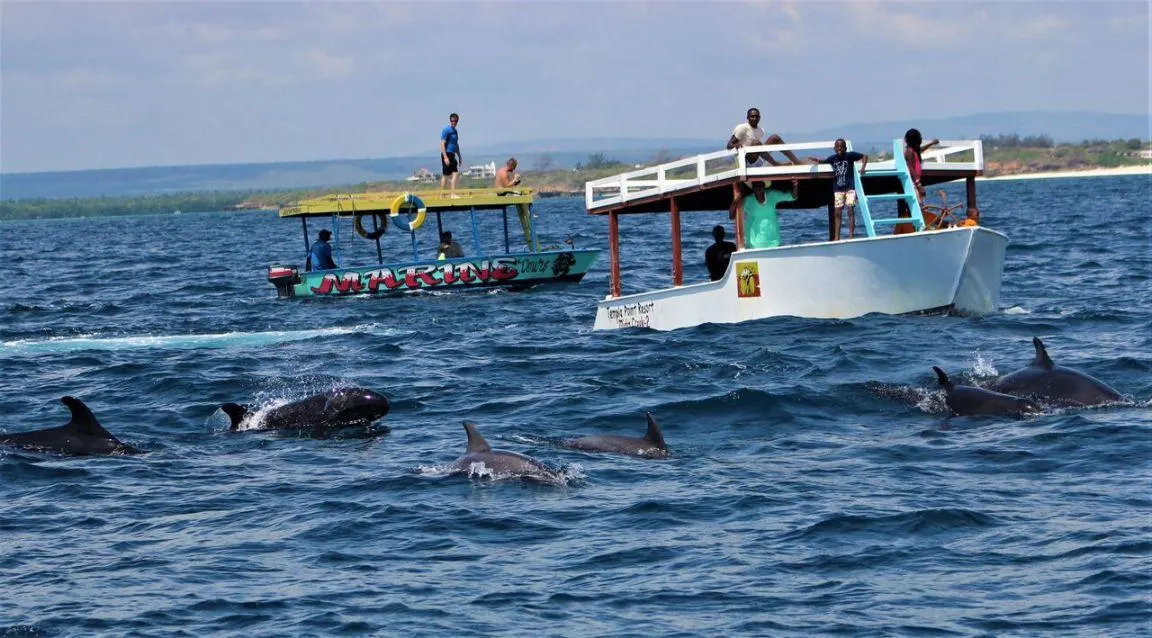
The Watamu Marine National Park features a large double-reef system that acts as a natural breakwater. This reef absorbs energy from open ocean waves, creating calm, lagoon-like conditions inside the main reef line. These protected waters, where most snorkelling and dolphin watching occurs, significantly reduce the boat motion that causes seasickness.
Excursions that travel beyond the reef for activities like sport fishing encounter larger open-ocean swells. Passengers on deep-sea itineraries will experience more significant boat movement. Preventative measures against seasickness are therefore more important for any trip scheduled to go into the deep ocean.
Best Time to Take Seasickness Medication
Motion sickness medication must be taken before exposure to motion to be effective. Passengers should take oral medications like Dimenhydrinate approximately 30 to 60 minutes before boarding the boat. Taking the dose before leaving your hotel allows sufficient time for the drug to be absorbed into your system.
Waiting until nausea begins is too late for most preventative medications to work. Taking the tablet in advance ensures the drug's preventative mechanism is active before the brain receives conflicting motion signals from the boat. This pre-emptive timing is the most reliable way to avoid seasickness.
Where to Buy Seasickness Medication in Watamu
Pharmacies in Watamu and Malindi stock common motion sickness medications like Dimenhydrinate. Visitors can find these affordable, over-the-counter drugs at any "Chemist" shop along the main roads. Purchasing locally is convenient, and pharmacy staff can help you select a suitable product for your boat excursion.
What to Do if You Start to Feel Seasick
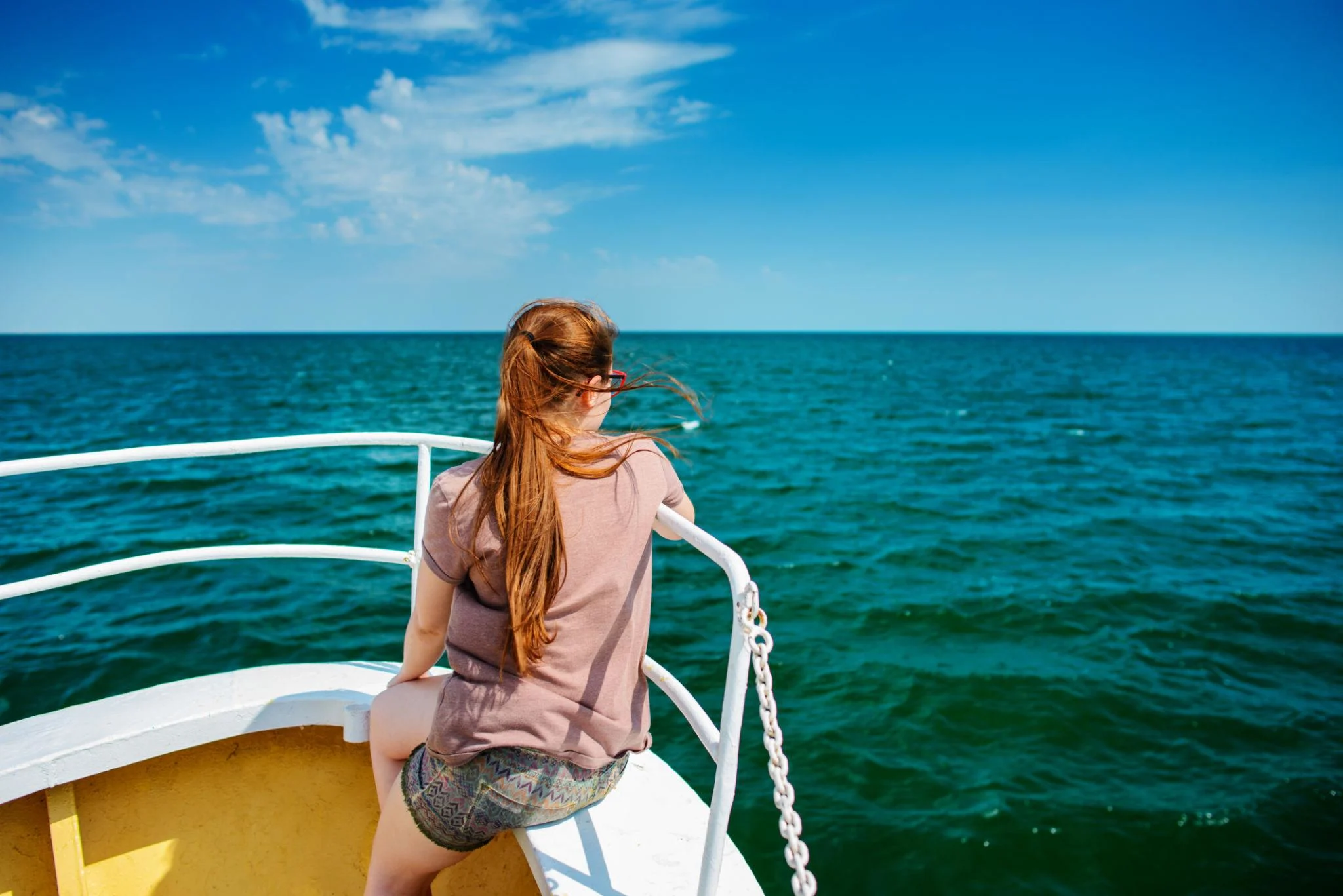
If seasickness symptoms appear during your boat trip, several immediate actions can help manage the discomfort. These steps help to recalibrate your body's sense of balance and settle your stomach.
- Look at the Horizon: Immediately find a stable point on the horizon and focus your gaze on it. This action helps recalibrate your sense of balance.
- Move into Fresh Air: Relocate to an open part of the deck for fresh air. Avoid sitting near the back of the boat where engine fumes can concentrate.
- Sip Water: Take small sips of cool water or a carbonated drink to stay hydrated. A plain, dry cracker can also help settle your stomach.
- Inform the Crew: Let your captain know you feel unwell. The crew is experienced and can offer assistance, find a calmer spot, or provide a sick bag.
How Boat Type and Seating Affect Seasickness
The type of vessel can influence your comfort during a Watamu boat trip. Larger, heavier boats like traditional wooden dhows have a slower, gentler rocking motion. Smaller speedboats may feel the effect of choppy water more intensely.
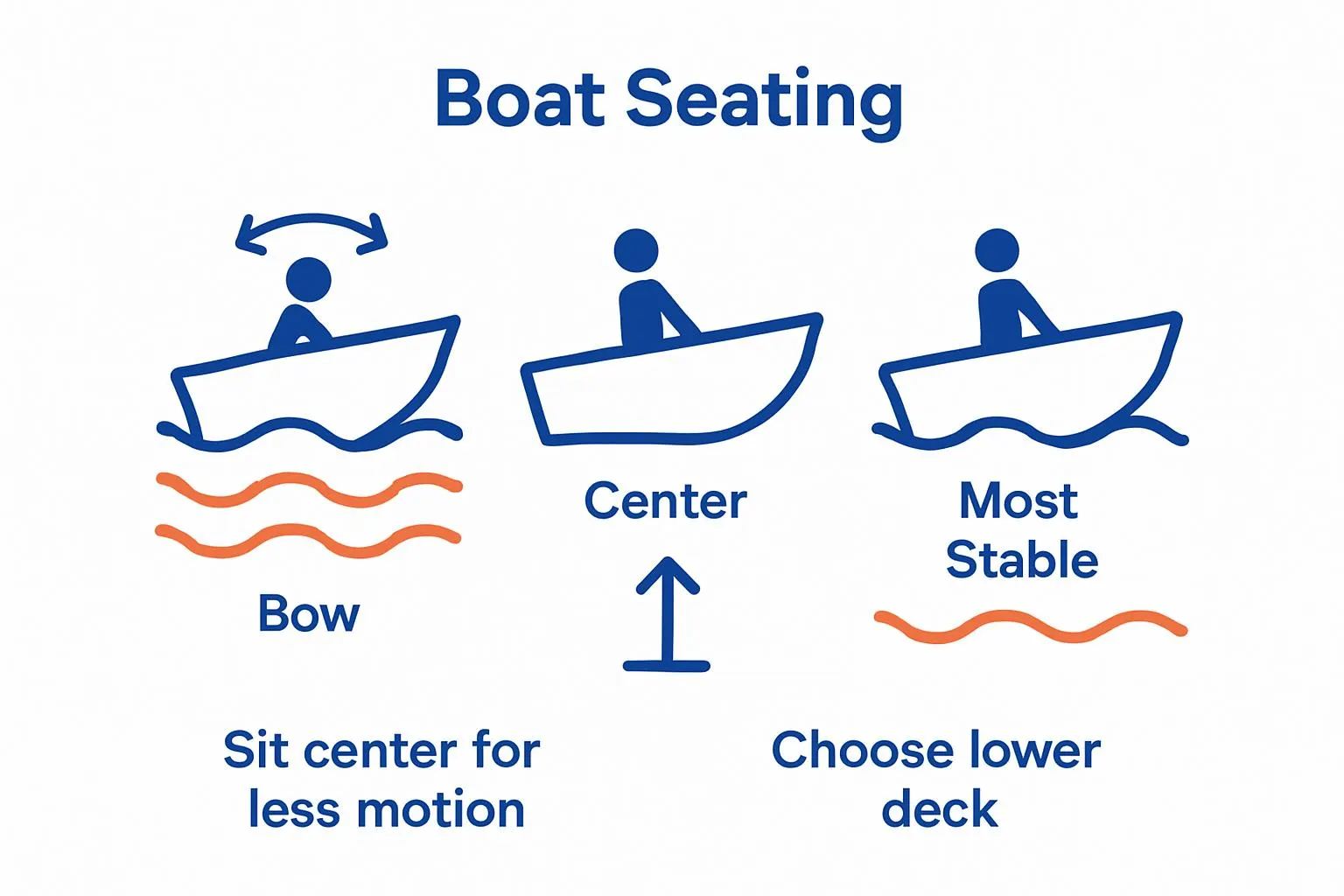
Your seating position on the boat also affects comfort levels. The most stable area is low down and in the centre of the boat, which experiences the least motion. An outdoor seat is always better than an enclosed cabin for accessing fresh air and a clear view of the horizon.
Passengers should avoid sitting at the very front (bow) or the very back (stern). The bow has a more pronounced up-and-down movement, while the stern can have engine fumes and vibrations that worsen nausea.
How to Prevent Seasickness in Children on a Watamu Excursion
Children aged 2 to 12 are particularly susceptible to motion sickness. Parents must consult a paediatrician or pharmacist before travel to confirm the correct dosage for child-specific medications like chewable or liquid Dimenhydrinate. Medication dosages are based on the child's age and weight.
Non-medicinal strategies also help prevent seasickness in children. A light meal before the trip and ensuring the child is well-rested are good starting points. On the boat, distraction techniques like spotting dolphins encourage children to look at the horizon instead of down at a device.
Booking a Licensed Watamu Boat Operator
Booking with a boat operator licensed by the Kenya Wildlife Service (KWS) directly impacts your safety and comfort. Licensed operators maintain their vessels to high safety standards and equip them with life jackets. Their captains possess expert local knowledge of Watamu's tides, reefs, and weather patterns.
Licensed companies offer fixed, transparent pricing, which allows for clear online booking without beach haggling. These operators also follow marine park regulations for ethical dolphin watching. This professional standard ensures a reliable and sustainable marine excursion.
[Book a Watamu marine excursion online]
Key Seasickness Prevention Facts for Watamu Excursions
| Method | Description | Timing |
|---|---|---|
| Medication | Over-the-counter Dimenhydrinate or prescription Scopolamine. | Take 30-60 minutes before boarding the boat. |
| Natural Remedies | Ginger sweets or tea, and acupressure wristbands. | Consume or apply before the trip begins. |
| Onboard Actions | Focus on the horizon, get fresh air, sit in the boat's centre. | Implement immediately if you feel unwell. |
What to Pack for a Watamu Marine Safari
Effective sun protection is necessary for any Watamu marine trip due to the strong equatorial sun and reflection from the water. Packing the correct items will ensure your day is comfortable and safe.
- Drinking Water: Bring more than you think you will need to stay hydrated throughout the day.
- High-SPF Sun Protection: Use reef-safe sunscreen, a wide-brimmed hat, and a light long-sleeved shirt.
- Sunglasses: Polarised sunglasses reduce glare on the water and make it easier to spot marine life.
- Camera: An underwater camera or waterproof phone case is recommended for snorkelling.